
Unexpected Benefits of Expert Gutter Installation: What Homeowners Need to Know
Gutters are easy to overlook because they sit near the roofline and perform most of their work during bad weather. Yet the way they collect and direct rainwater can affect the roof edge, exterior walls, foundation, and the areas surrounding a building. A system that fits the property properly provides benefits that extend beyond keeping water from spilling over the eaves.
Professional gutter installation accounts for the relationship between gutters, downspouts, rooflines, and exterior features. That planning can improve water movement, support a cleaner appearance, and make future care more manageable. Understanding these less obvious advantages helps homeowners look beyond the gutter material itself when deciding how a new system should be configured.
Water Control Protects More Than the Roofline
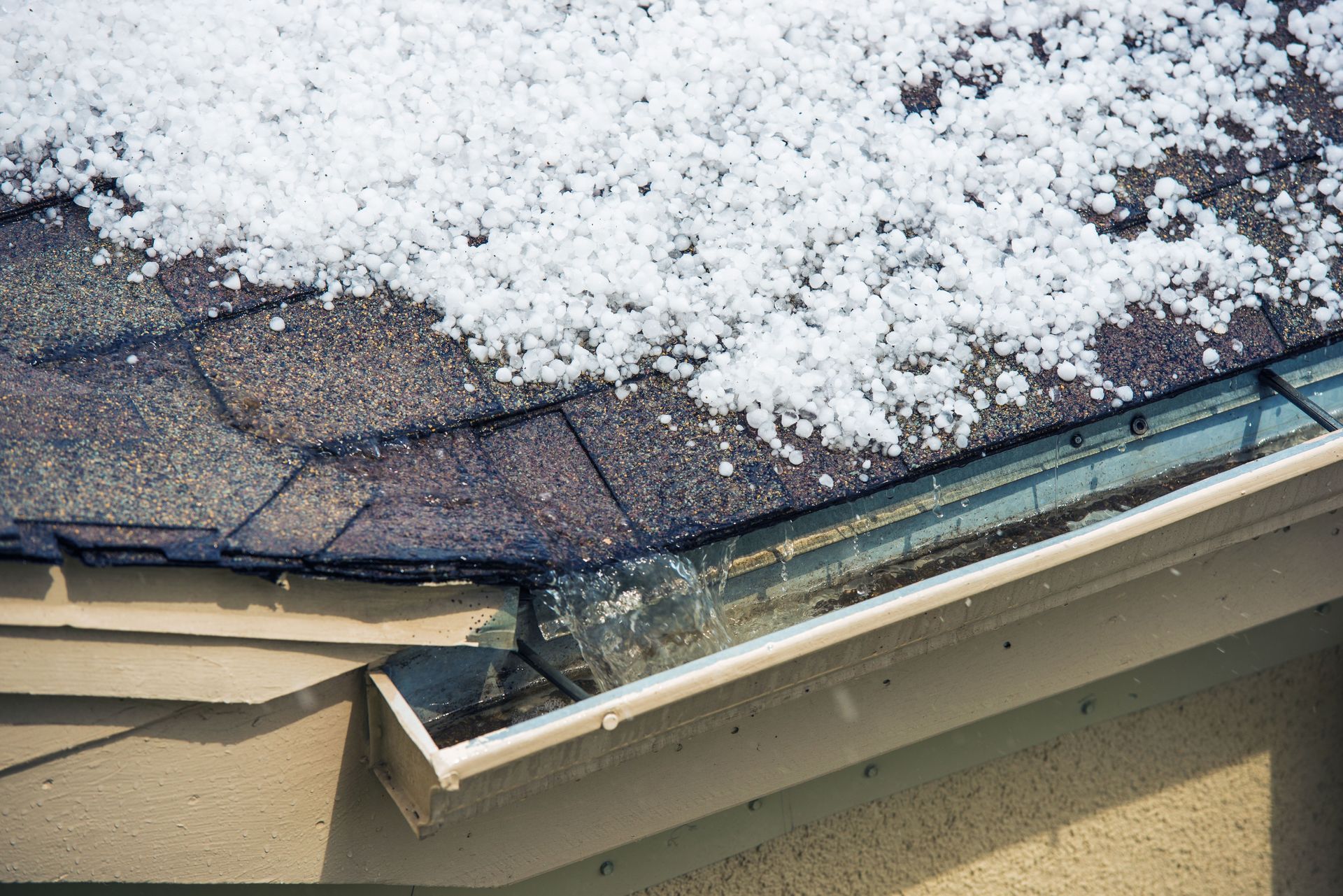
The most familiar purpose of gutters is to collect runoff from the roof, but the complete system must also move that water toward an appropriate discharge point. When rain repeatedly runs down siding or falls close to the foundation, moisture can affect multiple parts of the exterior. Gutters and downspouts work together to interrupt that pattern.
A well-planned layout considers how much roof area feeds each section and where the collected water will travel. This broader view can reduce overflow near vulnerable exterior surfaces and keep discharge from concentrating beside the building. Effective gutter installation therefore supports the walls and foundation as well as the roof edge where the system begins.
A Better Fit Can Create a Cleaner Exterior
Gutters occupy a prominent horizontal line across the building, even when they are not the first feature someone notices. A profile that relates to the roofline can look integrated with the architecture rather than attached as an afterthought. Color, material, shape, and placement all contribute to that visual relationship.
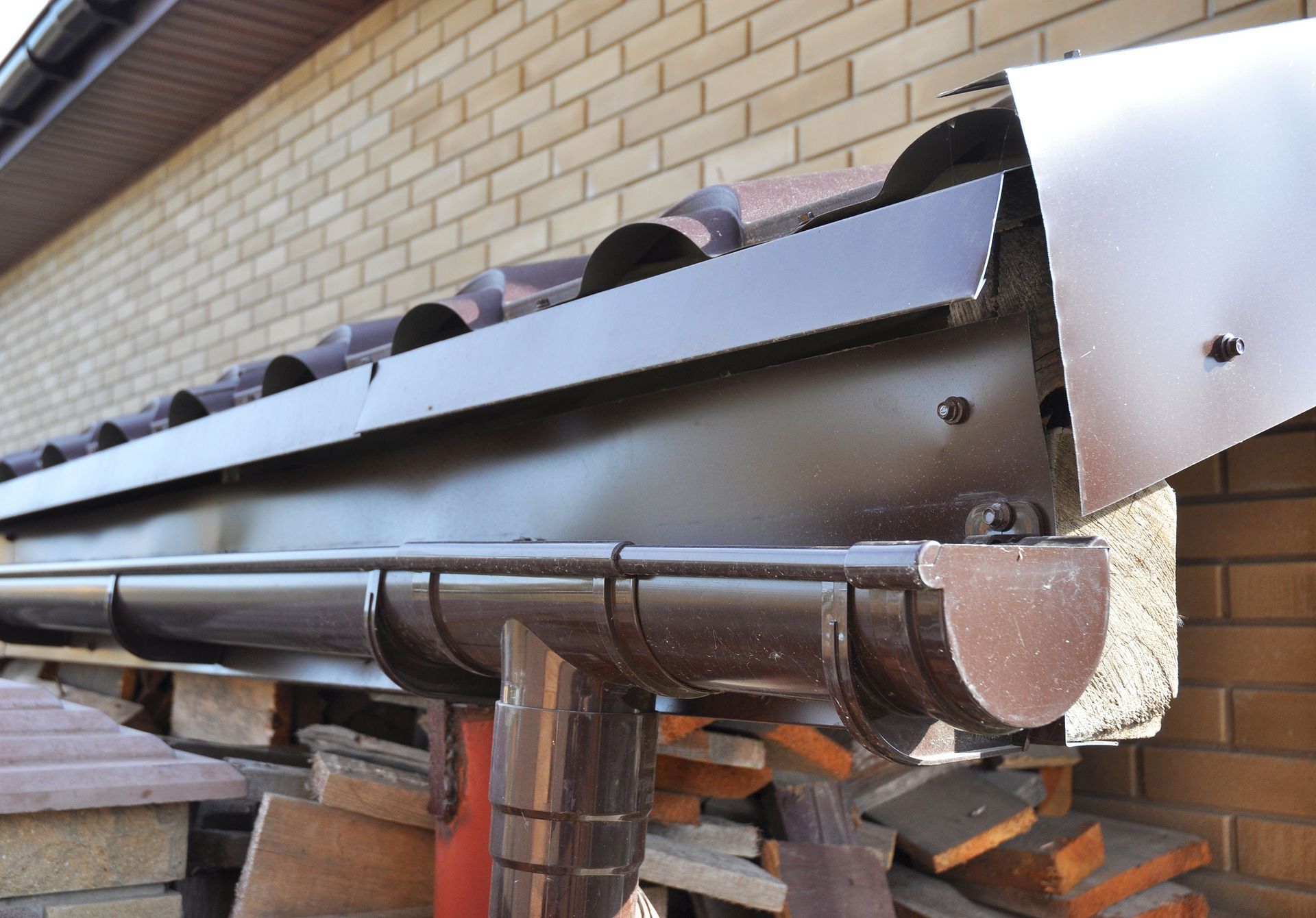
K-style gutters have a flat bottom and curved outer edge that can resemble crown molding, allowing them to blend with many rooflines. Half-round systems offer a softer, more traditional profile, while box gutters can support a streamlined or concealed appearance on certain residential and commercial structures. Thoughtful selection lets a functional component contribute to the property's overall design.
Downspout Placement Shapes the Final Result
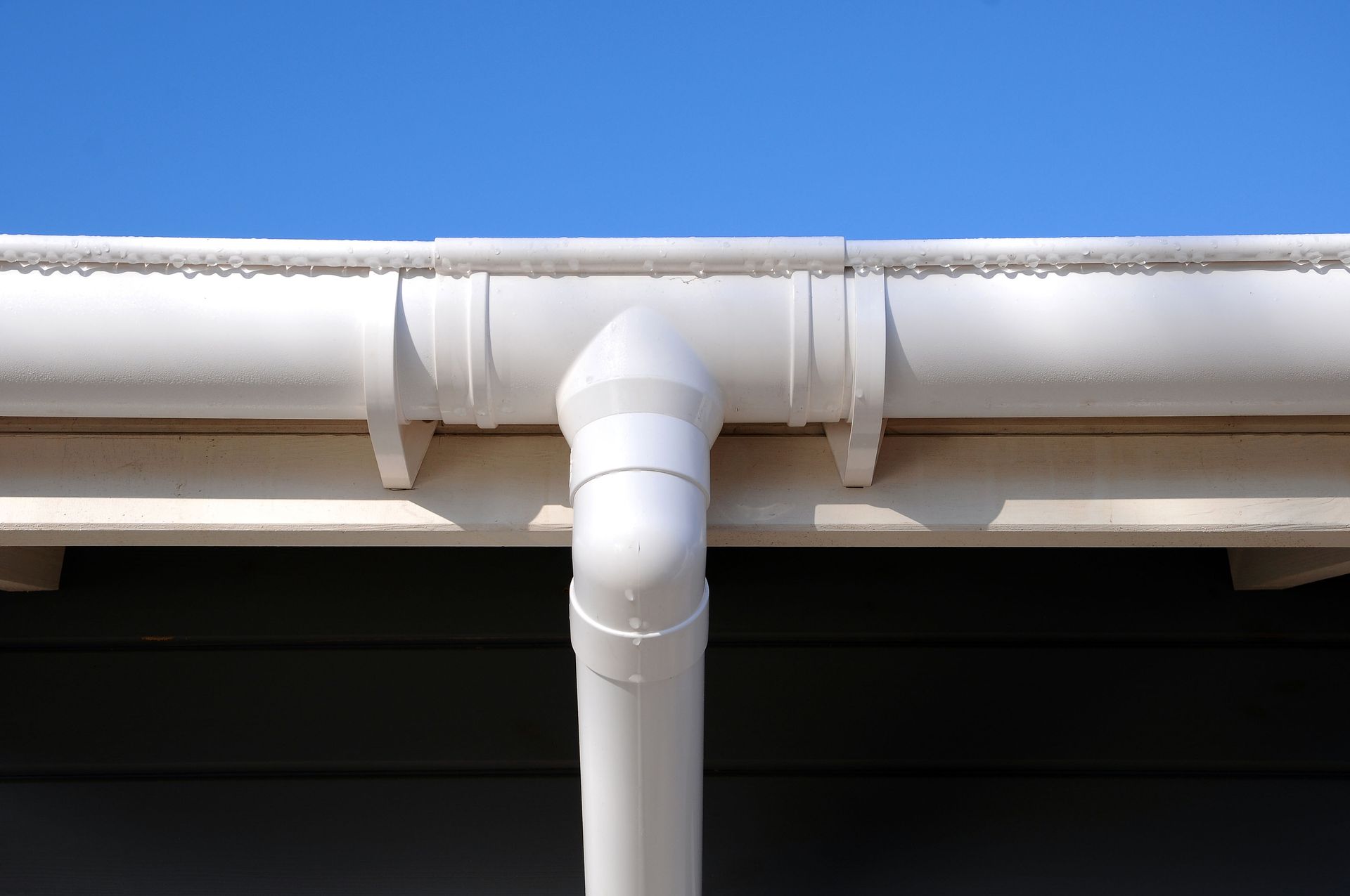
Even properly sized gutters cannot manage rainwater effectively if the downspouts do not provide a clear exit. These vertical components carry collected water from the gutter toward the ground or a drainage system. Their number and location affect how readily water leaves long gutter runs and where it reaches the lower part of the property.
Placement also influences appearance and everyday use. Downspouts should work with corners, doors, windows, walkways, and other exterior features instead of creating awkward interruptions. During gutter installation, treating downspouts as part of the complete plan can produce more orderly water movement and a less cluttered exterior.
Soffit and Fascia Receive Closer Attention
Fascia caps the ends of the roof rafters and commonly provides the visible area beside the gutter line, while soffit covers the exposed surface beneath the eaves. Both contribute to the look of the home and help protect the roof and attic from outdoor conditions. Their position makes them closely connected to any gutter project.
Reviewing these areas before mounting a new system can reveal visible deterioration, loose sections, or other conditions that deserve attention. Installing gutters against a sound, orderly roof edge supports secure placement and a more finished appearance. A neat transition among the roof edge, fascia, soffit, and gutters can also strengthen the exterior's visual continuity. This added awareness is valuable because soffit and fascia may receive little notice during ordinary exterior upkeep.
Material Choices Offer More Than One Kind of Value
Different gutter materials bring distinct combinations of appearance and resistance to weather. Galvanized steel receives a zinc coating for corrosion resistance and can stand up to harsh conditions. Copper is also highly resistant to corrosion, and the natural patina it develops over time gives the system an evolving visual character.
Profile and material can be considered together instead of as separate decisions. Half-round gutters may be made from aluminum, copper, or steel, while box gutters are available in several materials and colors. A professional discussion before gutter installation can help align durability, architecture, and the desired appearance without treating every property as if it needs the same system.
Screens Can Make Routine Care More Predictable
Leaves and other debris can interrupt water flow when they collect inside open gutters. Screens act as protective covers that limit the amount of material entering the system, which can reduce how frequently heavy buildup develops. This can be especially useful near trees, where seasonal leaf fall may fill exposed channels more quickly. Screens do not eliminate the need to observe gutter condition, but they can make routine cleaning demands more manageable.
Planning for screens at the time of installation allows the cover and gutter profile to be considered together. The system can still be checked for debris, secure attachment, and unrestricted flow as part of ongoing care. Combining suitable screens with gutter cleaning and timely repairs supports performance after the original project is complete.
Decorative Features Can Still Direct Rainwater
Water management does not have to rely on visually plain components in every location. Rain chains provide a decorative alternative to traditional downspouts by guiding water downward through linked cups or other shaped elements. Their movement and sound during rainfall can turn a necessary function into a noticeable exterior detail.
The feature still needs to suit the amount of water and the intended discharge area. A rain chain selected only for appearance may not be appropriate for every roof section or building layout. Considering function first allows this decorative option to complement the gutter system without losing sight of controlled water movement.
Provider Qualifications Add Meaningful Accountability
Homeowners have a growing number of businesses to compare when planning gutter work. According to IBIS World, the United States had 4,929 gutter-service businesses in 2024, representing a 3.4% increase from the previous year. That expansion makes it worthwhile to look beyond availability and consider experience, licensing, insurance, written workmanship coverage, and manufacturer warranties.
Those qualifications create clearer expectations for how the project will be handled and what support applies afterward. A contractor that performs its own work rather than relying on subcontractors also gives the customer a more direct connection to the business responsible for the installation. Choosing qualified gutter installation can therefore provide confidence in both the physical system and the accountability behind it.
Residential and Commercial Systems Have Different Demands
Homes and commercial buildings do not always use the same gutter profile or layout. Roof size, building height, architectural style, and the volume of runoff can shape decisions about gutter dimensions, downspout placement, and system type. Box gutters, for example, may complement the flat roofs and modern lines found on some commercial or industrial buildings, while other profiles may suit residential rooflines.
An installation plan should respond to those property-specific conditions instead of applying a standard configuration everywhere. Available in multiple sizes, materials, and colors, K-style gutters give the design room to account for performance and appearance. This flexibility helps the finished system feel appropriate for the building it serves.
A properly planned gutter system can improve more than rainwater collection by supporting exterior protection, architectural cohesion, manageable upkeep, and clearer contractor accountability. Those benefits depend on viewing gutters, downspouts, roof edges, and related components as one connected system. At Kurgan's Gutters & Siding, we install residential and commercial gutter systems with direct service from our licensed and insured staff, backed by written workmanship and manufacturer warranties. We can help plan gutter installation around the property's roofline, water-control needs, and preferred materials or profiles.







Share On: