
How to Choose the Right Gutter Installer for Your Property
Your gutters play an important role in protecting your property from water damage. Whether you are installing a new system or replacing aging gutters, choosing the right professional helps ensure reliable drainage and long-term performance. A qualified gutter installer can evaluate your property's needs, recommend appropriate materials, and provide an installation that complements your home's structure.
The gutter industry continues to expand as homeowners recognize the importance of effective water management. According to Globenewswire.com, the rain gutter market is expected to continue growing at a CAGR of 5.24%, reaching USD 11.39 billion by 2030. With more products and installation options available, selecting an experienced professional is an important part of protecting your investment.
Comparing Gutter Styles and Materials
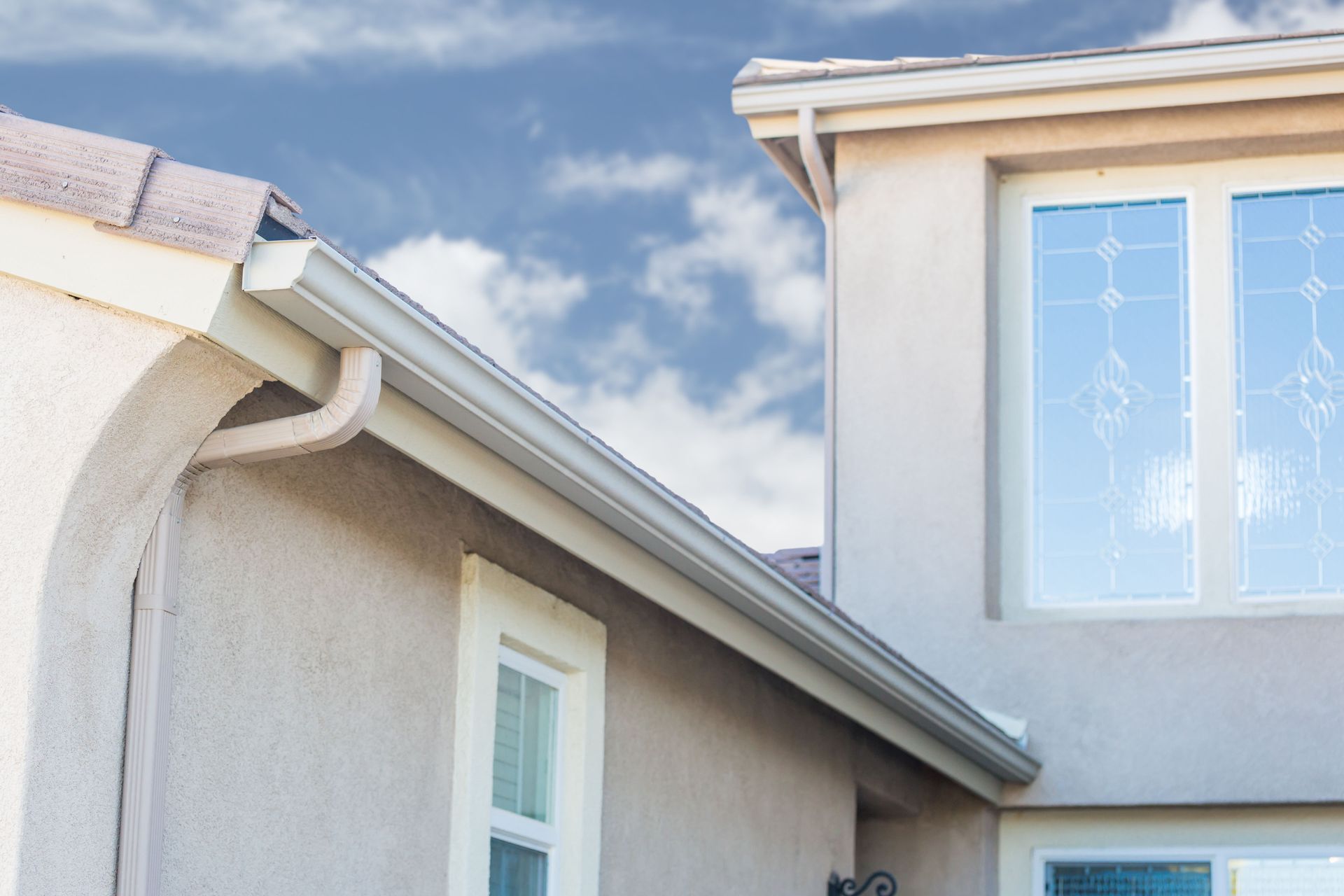
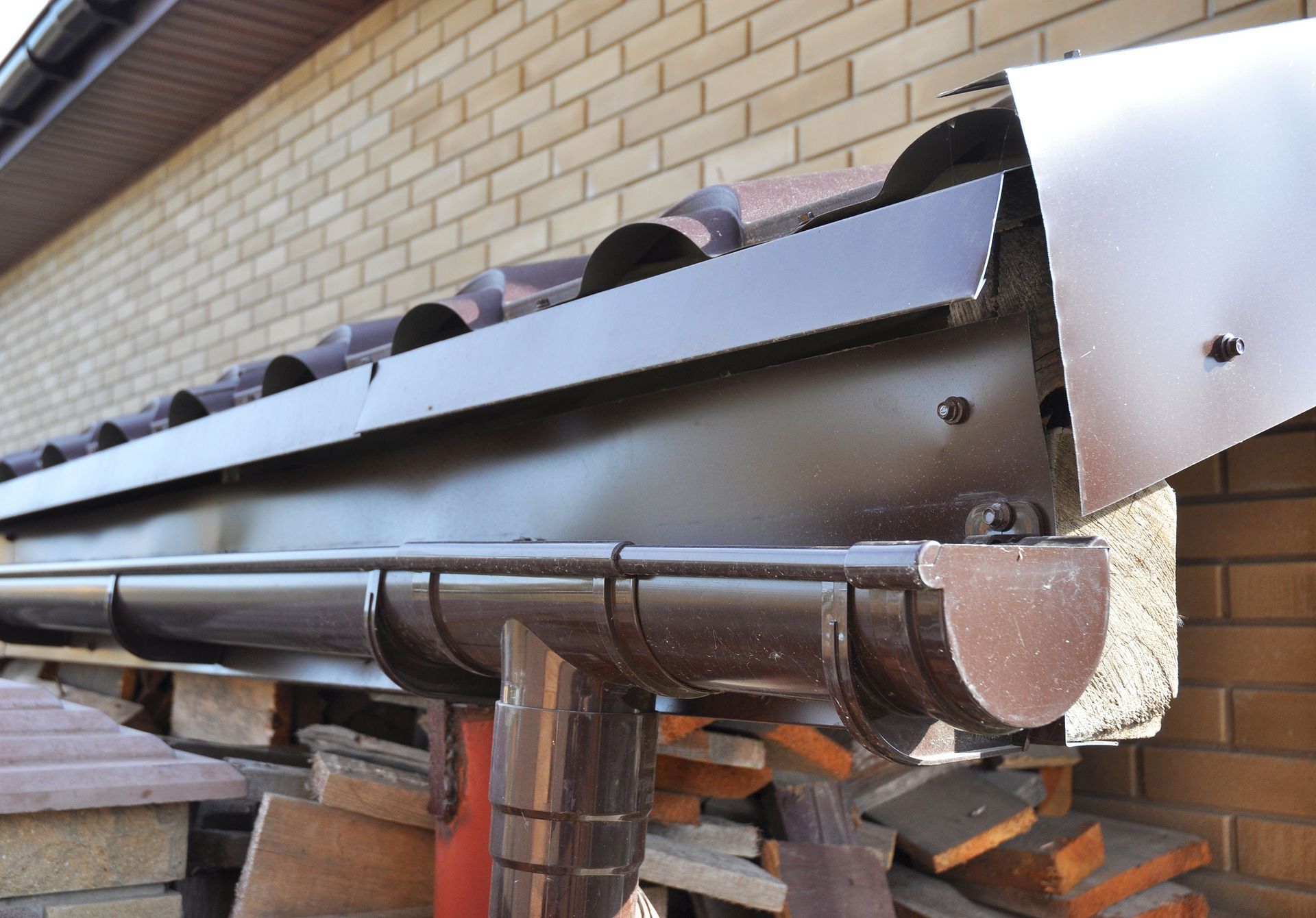
Gutters come in several styles, each offering different functional and aesthetic benefits. K-style gutters are popular because of their decorative appearance and ability to handle substantial amounts of rainwater. Half-round gutters provide a traditional appearance, while box gutters are commonly used on larger buildings requiring greater drainage capacity.
Material selection is another important consideration. Aluminum is widely used because it is lightweight and resistant to rust, while copper offers durability and a distinctive appearance. Vinyl provides another option, although its performance can vary depending on temperature changes and weather exposure.
A knowledgeable gutter installer can explain which materials and styles are appropriate for your property. Recommendations should account for your roof design, maintenance expectations, and budget. Comparing these options helps ensure the finished system provides dependable performance while complementing your home's appearance.
Evaluating Roof Size and Drainage Requirements
Roof dimensions directly affect how much rainwater your gutter system must manage. Larger roof surfaces collect more water, requiring appropriately sized gutters and strategically positioned downspouts. Proper measurements help prevent overflowing and reduce the possibility of water accumulating around the foundation.
Roof pitch, valleys, and architectural features also influence drainage requirements. Steeper roofs can direct water into gutters more quickly, while complex rooflines may require additional drainage considerations. An experienced gutter installer evaluates these details before recommending a system.
The surrounding landscape matters as well. Sloped properties, nearby trees, and landscaping features can influence where downspouts should direct rainwater. Considering these conditions during installation helps protect foundations, walkways, and other important areas.
Selecting Additional Gutter Features
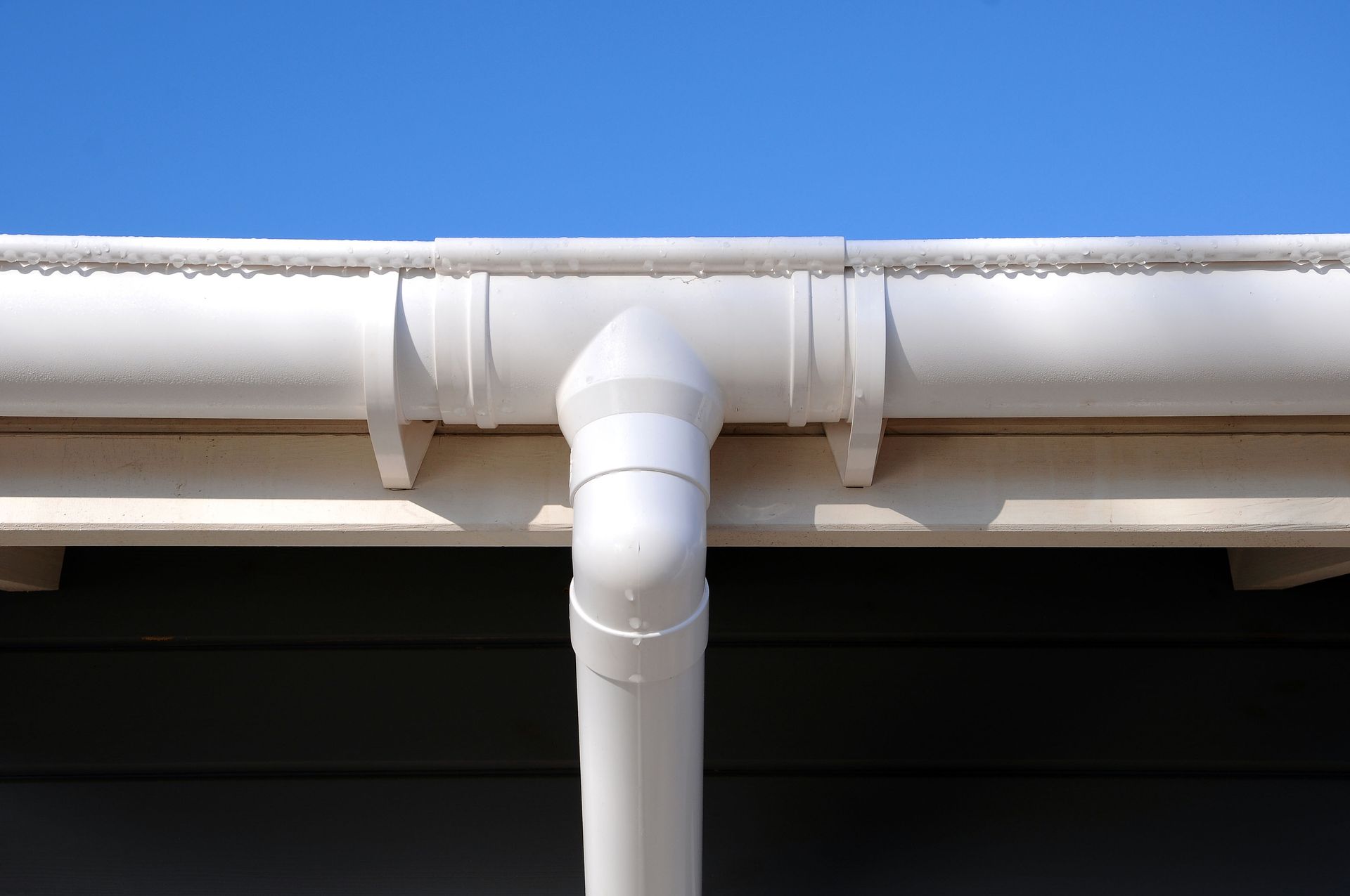
Accessories can improve gutter performance and help reduce maintenance requirements. Gutter guards limit the amount of leaves and debris entering the system, while downspout extensions help direct water farther away from the foundation. Splash blocks can also help distribute discharged water and reduce soil erosion.
The appropriate accessories depend on the property's surroundings and drainage requirements. Homes surrounded by mature trees may benefit from additional debris protection, while properties in colder climates may require solutions that address ice accumulation. A professional gutter installer can recommend accessories that provide practical benefits for your property.
Researching Potential Installers
Finding a qualified contractor requires more than selecting the first company that appears in an online search. Homeowners should compare experience, customer feedback, qualifications, and the range of services offered. Thorough research helps narrow the options to professionals who demonstrate reliability and consistent workmanship.
Gathering Recommendations and Reviews
Recommendations from friends, relatives, and neighbors can provide useful insight into local contractors. People who have recently completed gutter projects may be able to discuss their experiences with installation quality, communication, and scheduling. Their feedback can help identify companies worth researching further.
Online reviews provide another way to evaluate potential installers. Look for recurring comments about punctuality, workmanship, pricing, and customer service. Consistent feedback across multiple platforms can provide a more complete picture than an individual rating.
Negative reviews deserve attention as well. Repeated complaints about unfinished work, unexpected charges, or poor communication may indicate potential problems. Consider how the company responds to criticism and whether customers describe satisfactory resolutions.
Verifying Qualifications and Experience
Before hiring a contractor, verify that the company meets applicable licensing and insurance requirements. Appropriate liability coverage and workers' compensation protections help reduce potential financial exposure if an accident occurs. A reputable gutter installer should be willing to provide documentation and answer questions about its qualifications.
Experience is another important consideration. Companies that have completed projects involving different roof designs and gutter configurations may be better prepared to address property-specific requirements. Ask how long the company has provided gutter services and whether it has completed installations similar to yours.
Reviewing previous projects can also demonstrate a contractor's capabilities. Photographs of completed installations provide insight into workmanship, alignment, and attention to detail. A gutter installer with relevant experience should be able to explain how their previous work applies to your property's requirements.
Evaluating Installation Expertise
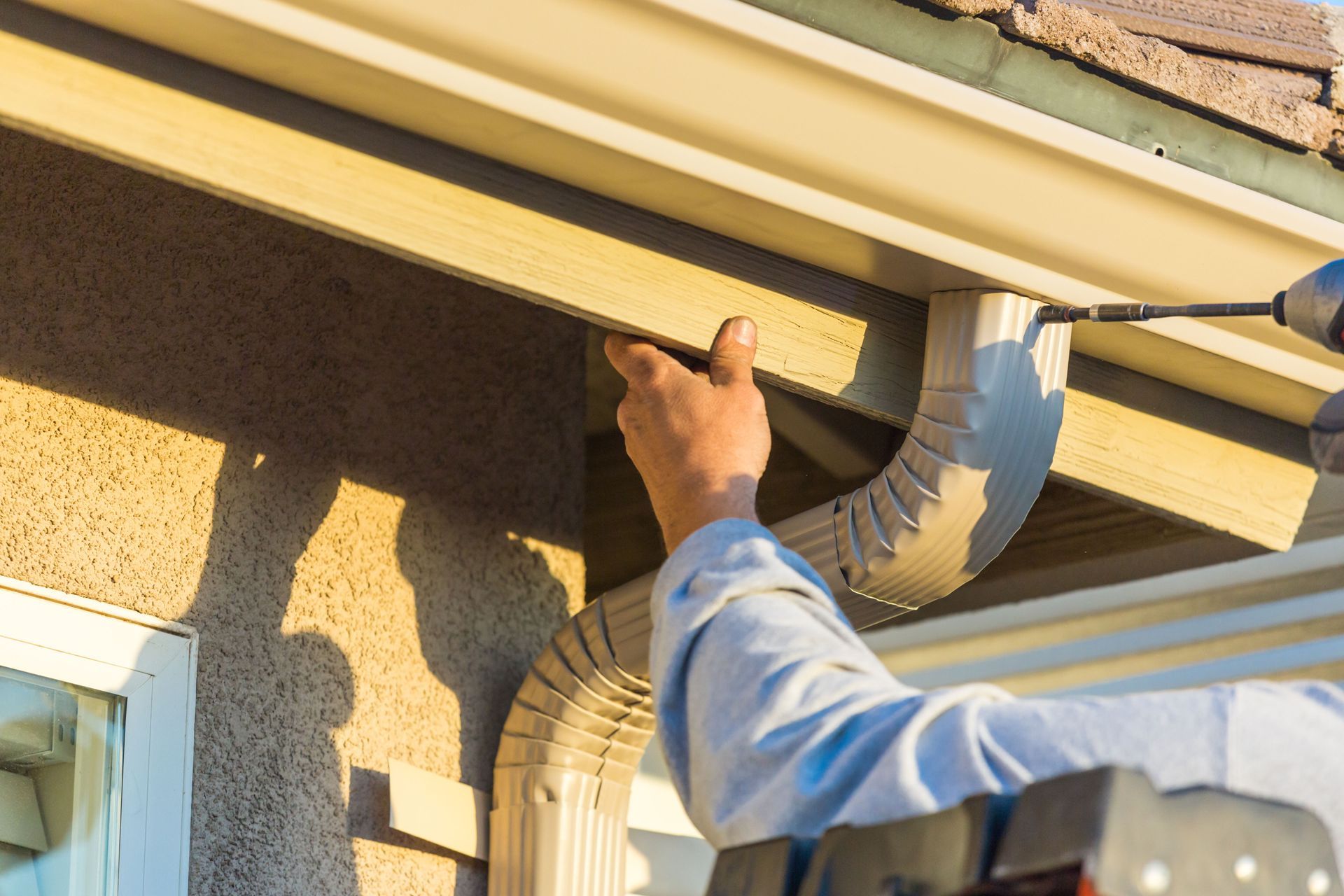
Technical knowledge and professional workmanship are essential when selecting a contractor. Proper installation involves more than attaching gutters to the edge of a roof. Slope, fastening methods, downspout placement, and connections all contribute to how effectively the finished system manages rainwater.
Assessing Technical Knowledge
A knowledgeable contractor should understand different gutter materials, system configurations, and installation requirements. They should also be able to explain how roof dimensions and rainfall conditions influence product recommendations. Clear answers demonstrate an understanding of the factors that affect gutter performance.
Ask prospective installers how they determine the appropriate gutter size and placement for different properties. Their explanations should address drainage capacity, roof structure, and potential problem areas. A professional gutter installer should be able to explain these decisions without relying on confusing technical language.
Reviewing Installation Methods
Installation methods influence how securely gutters remain attached and how effectively they direct water. Contractors should understand appropriate hanger spacing, fastening techniques, and slope requirements. These details are especially important in areas that experience heavy rainfall, strong winds, or seasonal temperature changes.
Roof edges, fascia boards, and existing drainage components may require additional attention before new gutters are installed. Asking about these considerations helps homeowners understand how contractors prepare for different installation conditions. Proper planning contributes to a more dependable finished system.
Comparing Estimates and Warranties
Once you have identified qualified contractors, compare their estimates carefully. The lowest price does not always represent the best value, particularly when differences in materials, labor, or project scope are involved. Detailed proposals help homeowners understand exactly what they are paying for.
An estimate should identify the proposed gutter materials, system dimensions, labor costs, and additional accessories. It should also explain whether removal and disposal of existing gutters are included. Having these details in writing makes it easier to compare contractors and avoid unexpected expenses.
Warranty coverage provides another important consideration. Some warranties cover manufacturing defects, while others address workmanship or installation-related problems. Ask how long coverage lasts, what circumstances affect eligibility, and how claims are handled.
Before signing an agreement, make sure the project scope, payment schedule, and expected completion date are clearly established. A professional should explain how unexpected complications or scheduling changes will be communicated. Written agreements help prevent misunderstandings and establish expectations for everyone involved.
Recognizing Professionalism and Communication
Professionalism extends beyond technical abilities and installation experience. Contractors should communicate clearly, arrive for scheduled appointments, and demonstrate respect for the property. Their willingness to answer questions can provide valuable insight into how they approach customer relationships.
The initial consultation offers an opportunity to evaluate a company's communication practices. Pay attention to whether representatives listen to your concerns and provide explanations that address your property's needs. A dependable gutter installer should be willing to discuss available options and provide realistic expectations.
If you are looking for professional gutter services, Kurgan's Gutters & Siding can help you find solutions suited to your property's needs. Contact Kurgan's Gutters & Siding to discuss your project, explore available gutter options, and learn more about scheduling an installation. Working with a qualified installer is an important step toward maintaining an effective drainage system and protecting your property.





Share On: