
Choosing the Right Gutter Installations for Your Home
Protecting your home from rainwater starts with choosing a gutter system that fits your property, roof, and local climate. The right gutter installations can direct water away from your foundation, siding, landscaping, and other vulnerable areas while complementing your home's exterior. However, selecting the right system involves more than choosing a style that looks attractive.
Homeowners should consider material, water flow, drainage, maintenance, and the condition of the roof edge before making a decision. Taking time to understand these factors can make the process easier and help prevent problems caused by an unsuitable system. Whether you're replacing an aging setup or installing gutters on a newer home, knowing your options can help you make a practical choice.
Comparing Gutter Styles and Materials
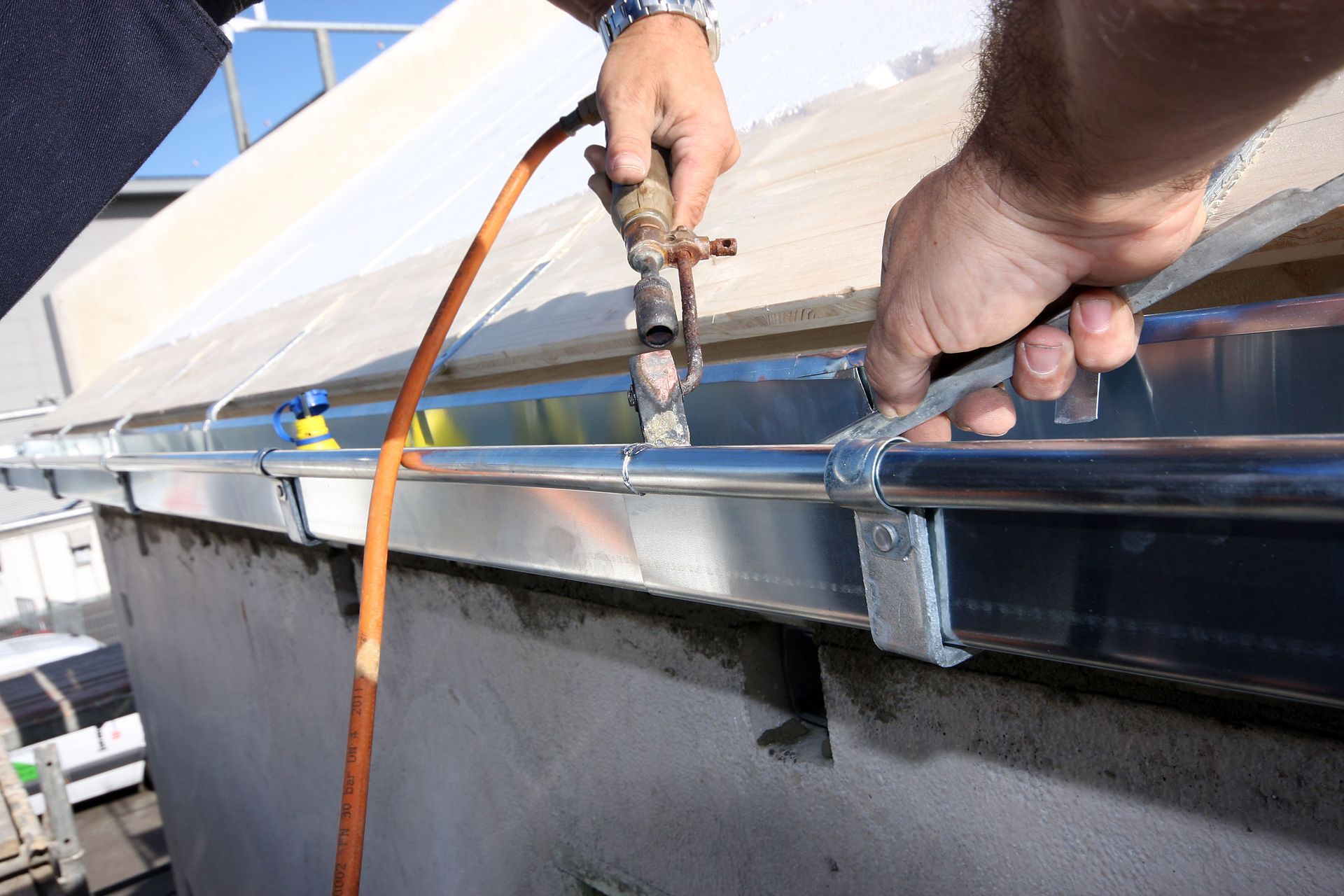
Gutter style and material affect both performance and appearance. Galvanized gutters are made from steel coated with zinc, providing corrosion resistance and the strength needed to handle demanding weather conditions. They are a practical option for homeowners who want a durable system that can provide dependable performance.
Copper gutters offer another choice for homeowners interested in durability and distinctive visual appeal. Over time, copper develops a natural patina that changes its appearance while adding character to the home. Half-round gutters provide a different aesthetic, with their rounded shape complementing traditional and decorative architectural styles.
When comparing gutter installations, consider how the style works with the home's exterior rather than treating gutters as purely functional. The material should also suit the property's climate and maintenance expectations. Looking at appearance and performance together makes it easier to narrow down suitable choices.
Evaluating Roof Size and Water Flow
The size and design of your roof influence how much rainwater your gutter system needs to manage. Larger roof surfaces collect more water, while steeper slopes can cause runoff to move more quickly toward the roof edge. If the system cannot accommodate the amount of water produced during heavy rainfall, overflow may occur.
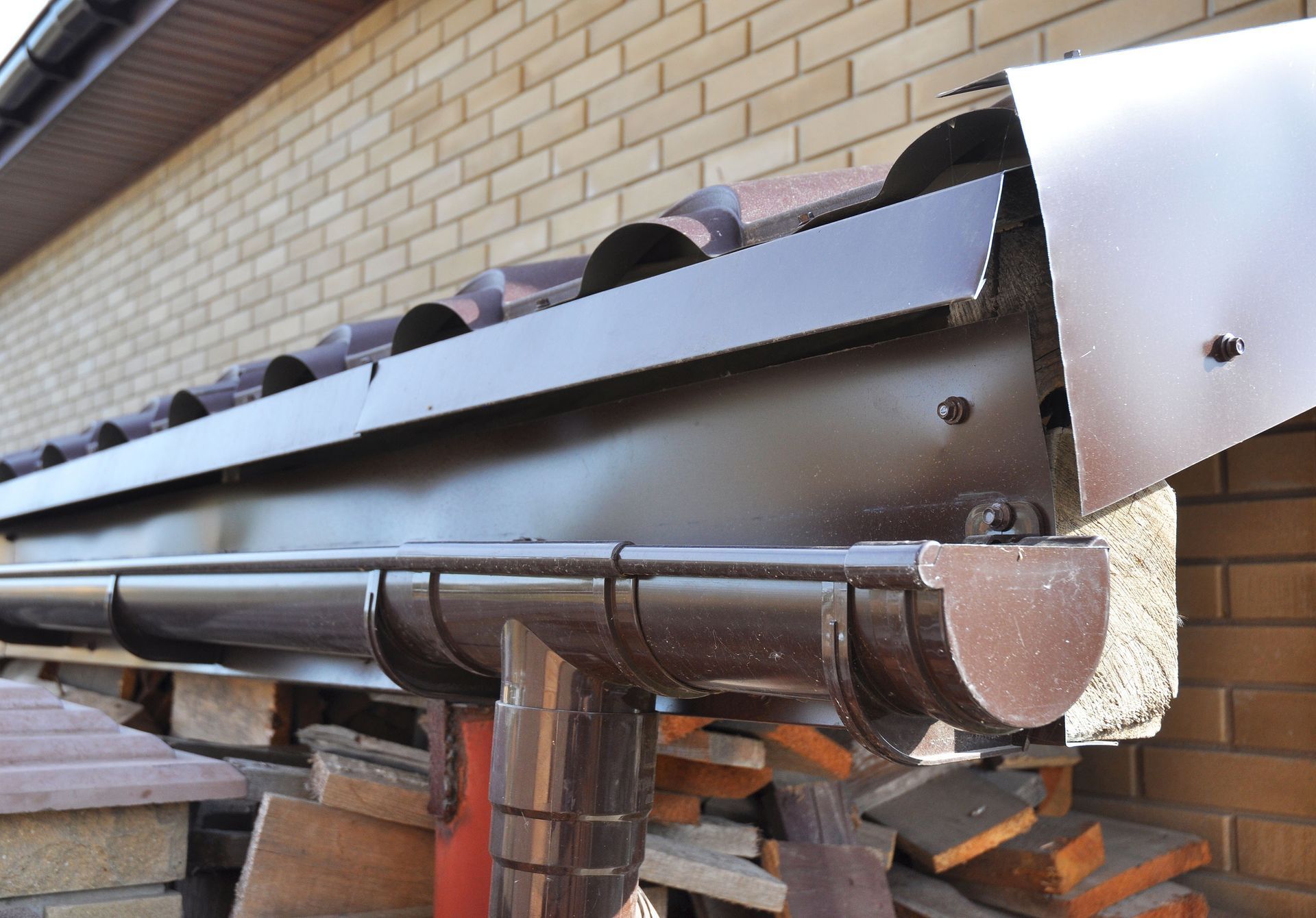
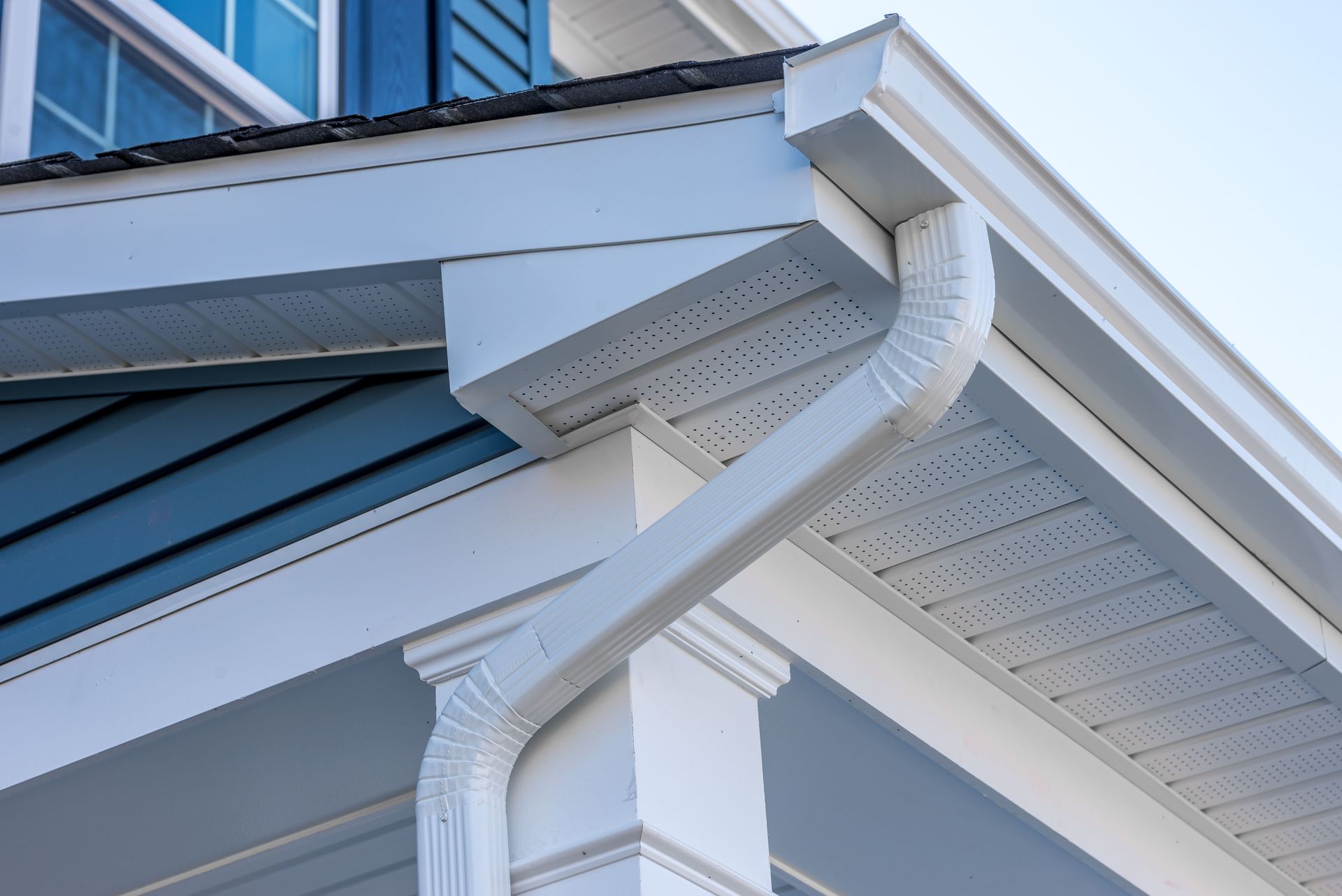
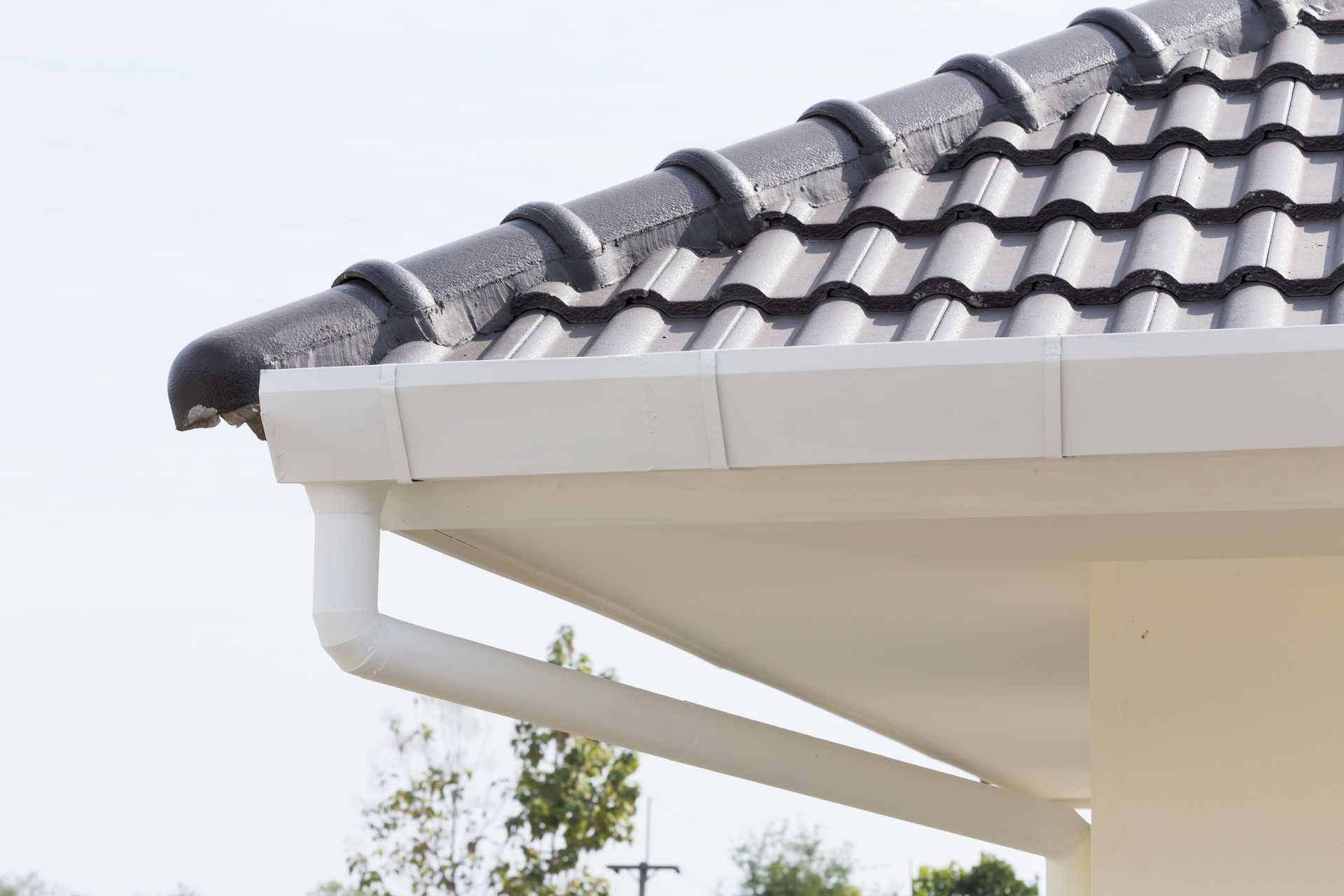
Downspouts are equally important because they move collected water toward the ground or an appropriate drainage area. Their size, number, and placement should work with the gutter system to maintain efficient water flow. Proper positioning can also help prevent excessive moisture from collecting near the home's foundation.
Before choosing gutter installations, consider the entire path rainwater will follow. A gutter can collect water effectively, but it still needs a reliable way to move that water away from the house. Evaluating roof size, water volume, gutter capacity, and downspout placement together can create a more effective drainage setup.
Selecting Galvanized and Copper Options
Material selection often involves balancing durability, appearance, maintenance, and budget. Galvanized gutters provide strength and can withstand harsh weather, making them useful for homeowners who want a sturdy material. Their zinc coating helps protect the steel from corrosion, although the coating should be monitored as the gutters age.
Copper gutters are frequently chosen for their distinctive appearance and long-term durability. As copper develops its natural patina, its appearance evolves while maintaining its structural qualities. Although copper generally costs more than galvanized steel, some homeowners consider its appearance and longevity worthwhile for their property.
According to Forbes, galvanized steel gutters can typically last around 20 to 25 years. This expected service life illustrates why durability should be considered alongside the initial purchase price. With appropriate maintenance, galvanized steel can provide long-term value for homeowners seeking a strong and resilient gutter material.
Protecting Soffit and Fascia Areas
Gutters connect closely with the roof edge, making soffit and fascia important parts of the overall system. The soffit is the surface beneath the roof's eaves, while the fascia is the horizontal board along the roof edge. Both contribute to the home's appearance and help protect areas beneath the roof from weather exposure.
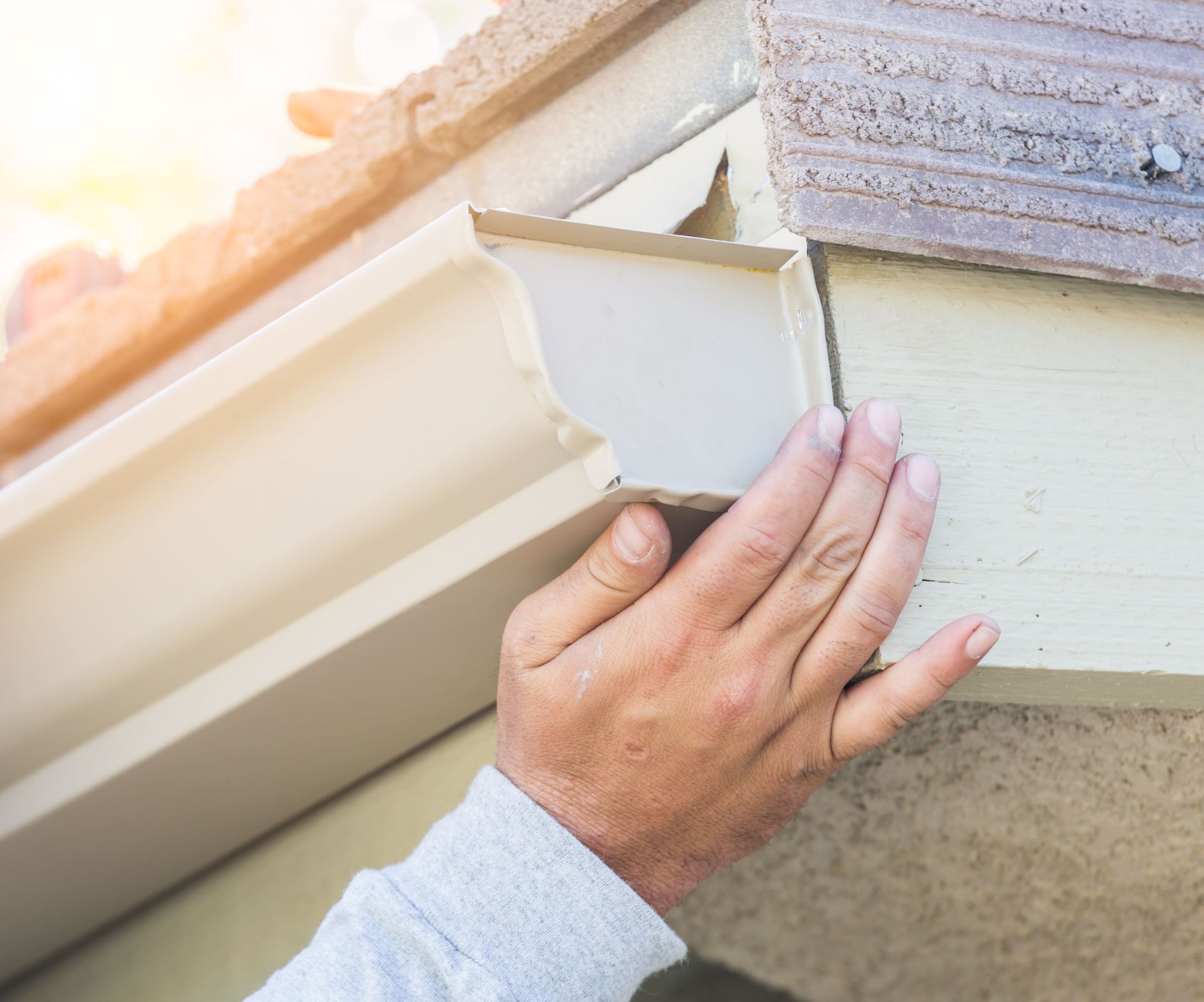
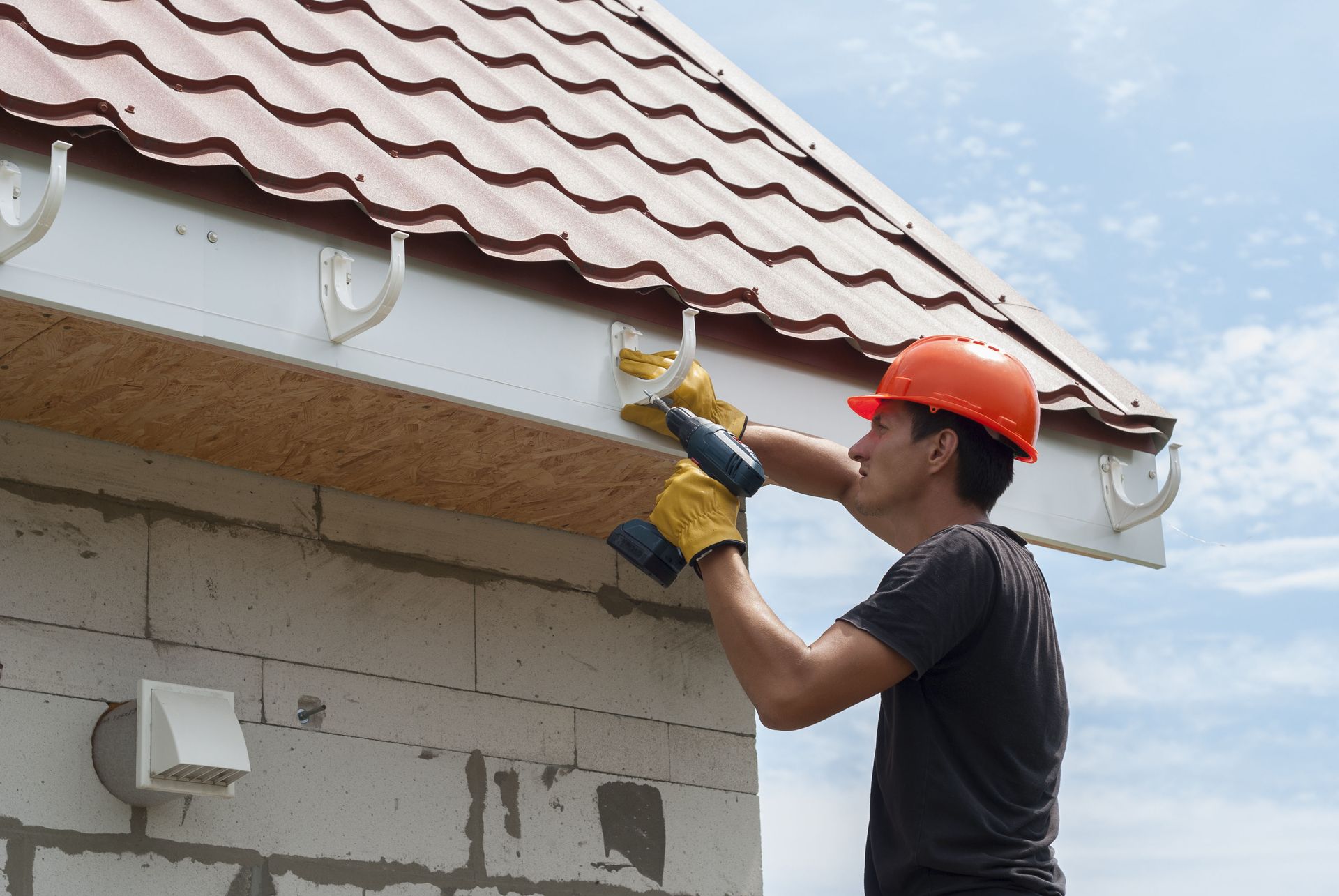
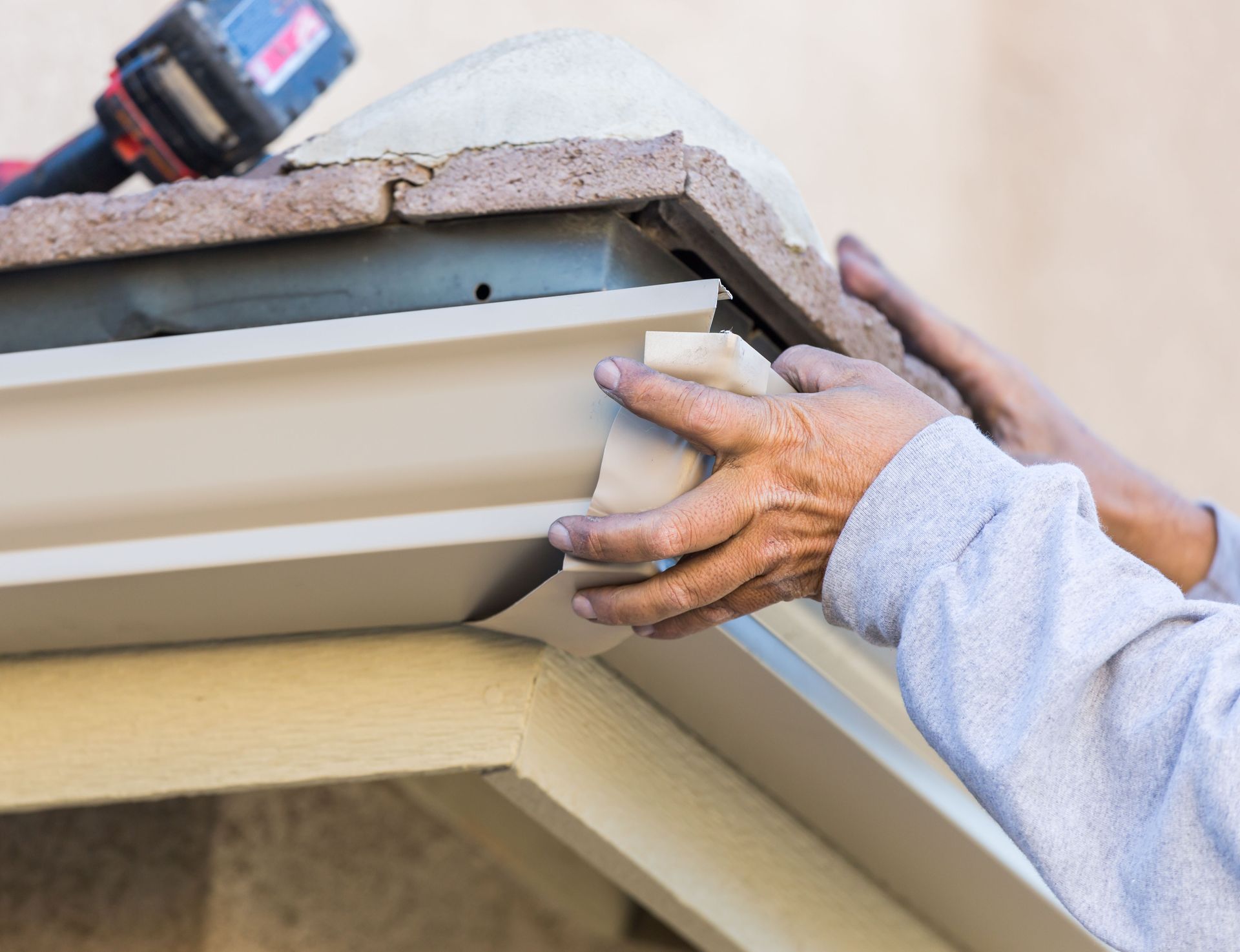
Before installing a new gutter system, inspect the condition of these surrounding materials. Damaged or weakened fascia may not provide the support needed for secure gutter attachment. Addressing these issues before installation can create a stronger foundation for the new system.
Professional evaluation can be useful when the condition of the roof edge is uncertain. An installer can look beyond the gutters and identify issues that may affect the project. Taking care of underlying concerns first can support better performance and reduce the likelihood of future repairs.
Installing Screens and Managing Maintenance
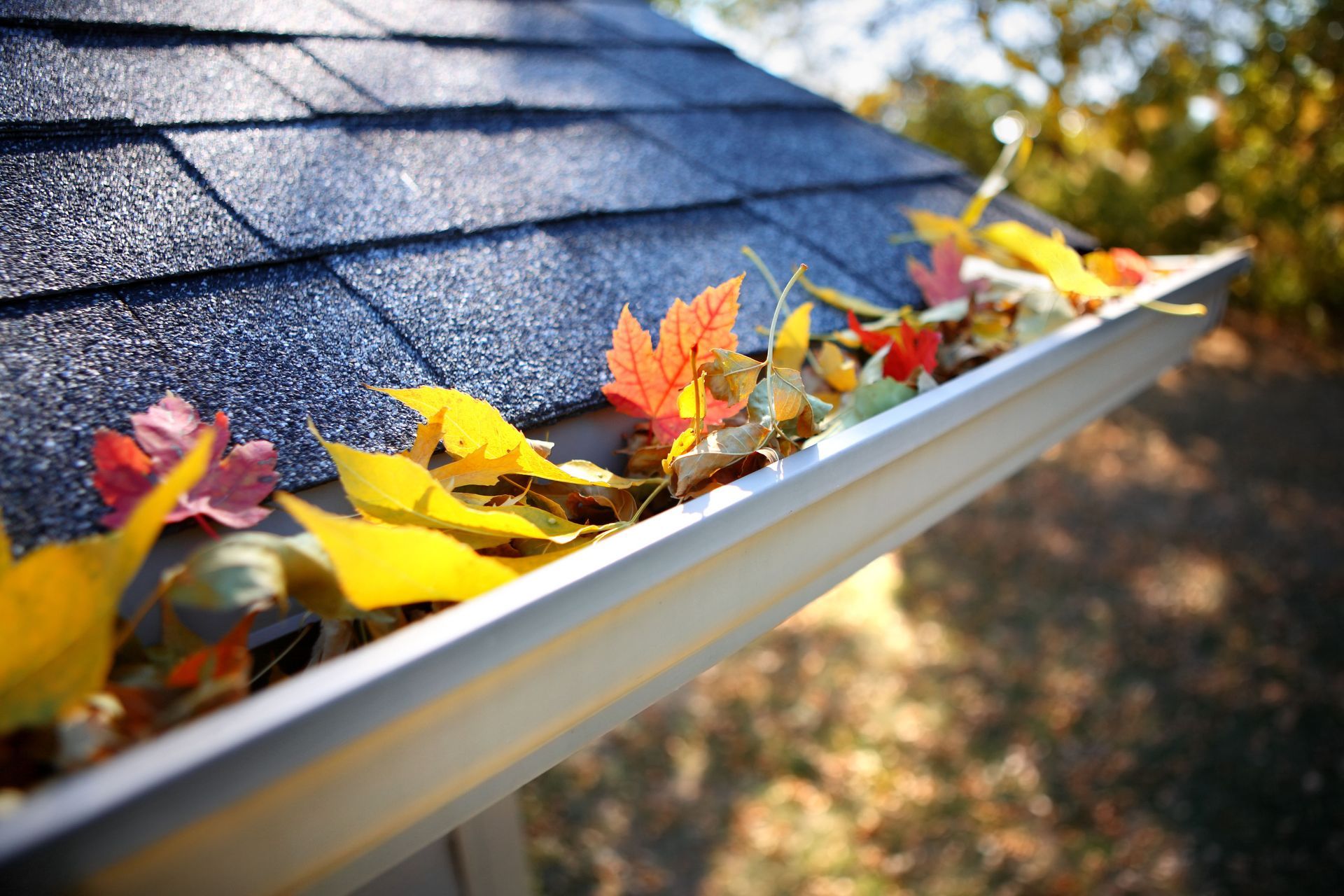
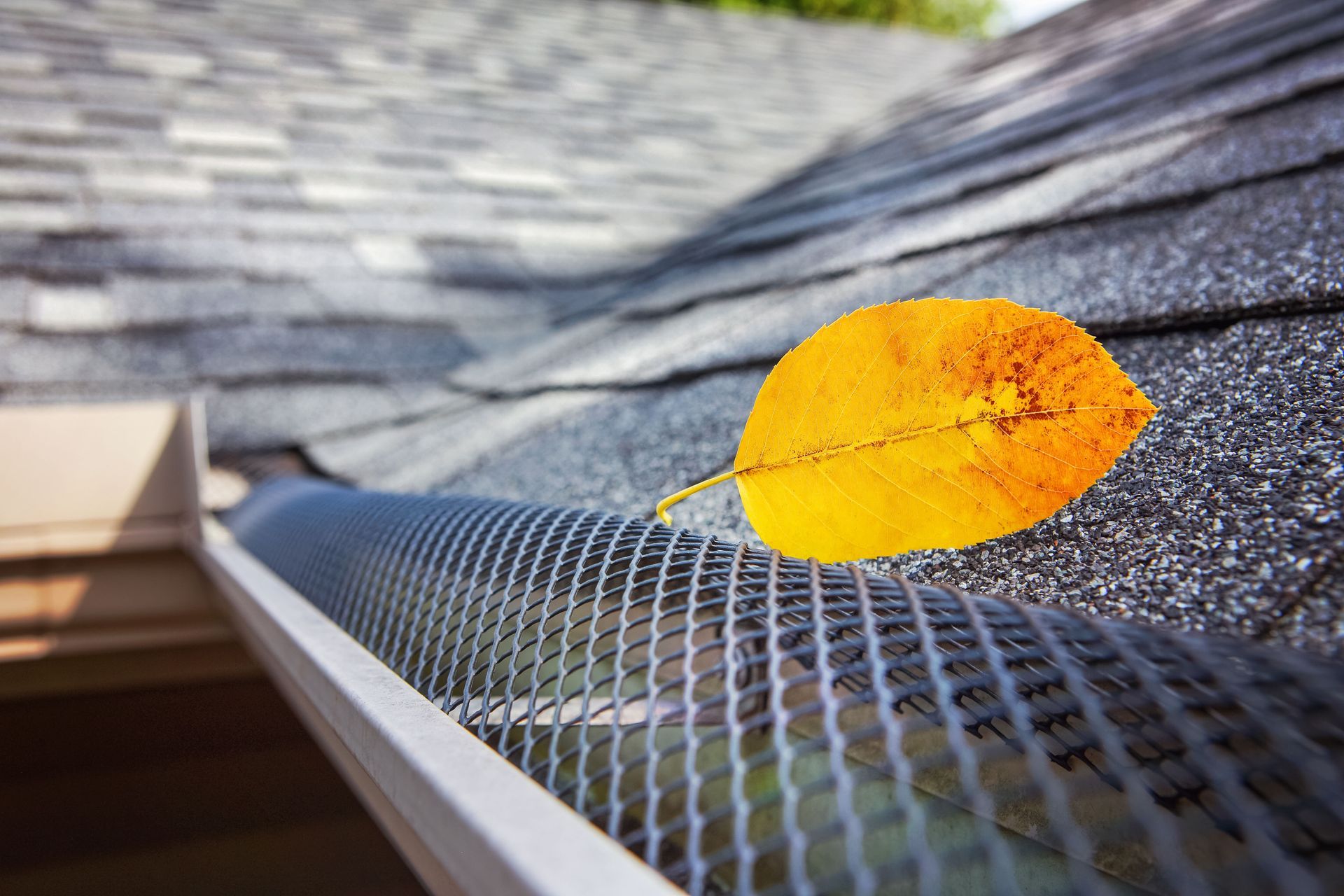
Even a well-designed gutter system needs routine maintenance to keep water moving properly. Leaves, twigs, dirt, and other debris can accumulate inside the channels and restrict water flow. Gutter screens can help limit the amount of debris entering the system and make routine maintenance more manageable.
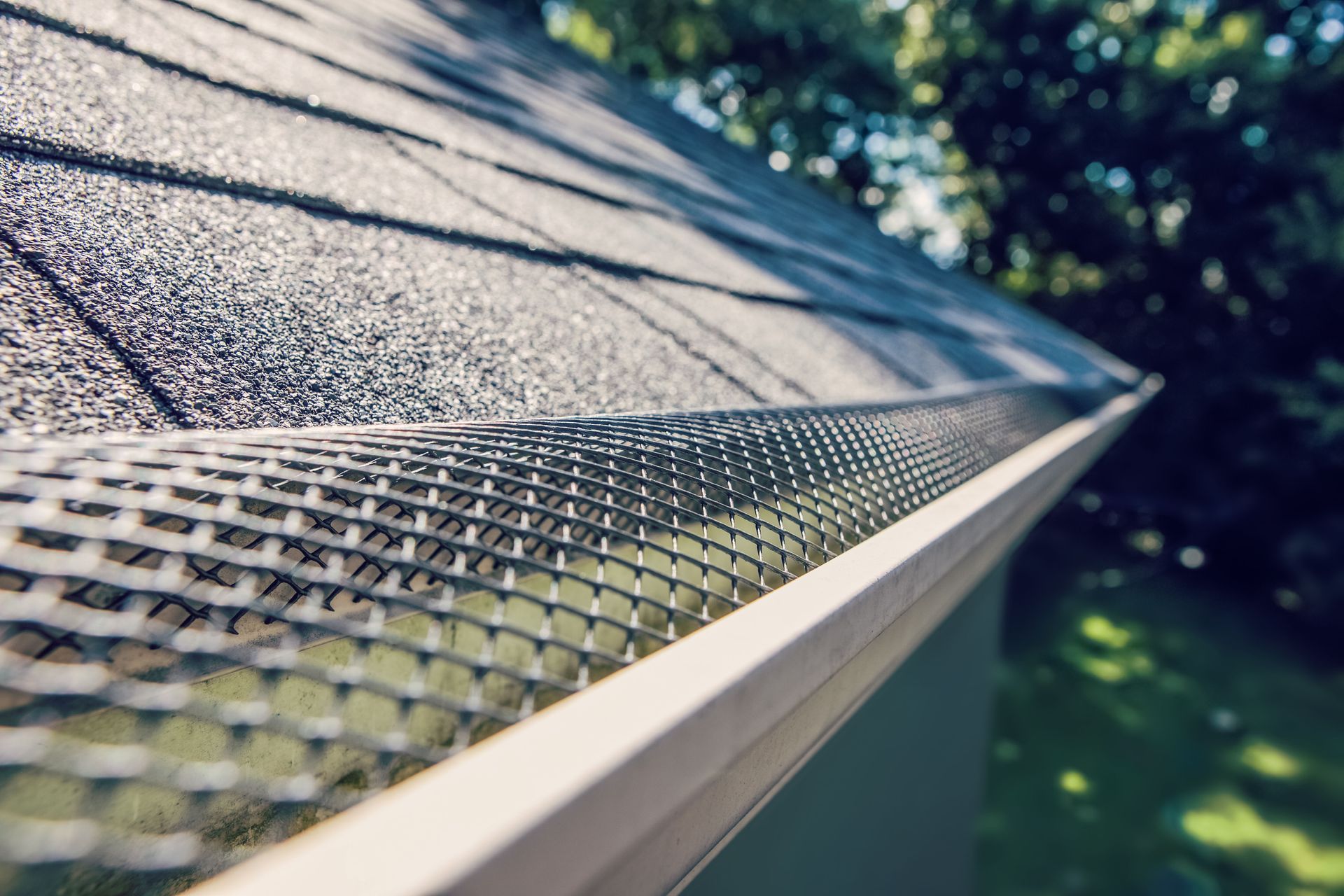
Gutter screens are protective covers designed to prevent leaves and other materials from clogging the gutters while allowing rainwater to pass through. Different designs may be more appropriate depending on the property's surroundings and the amount of nearby vegetation. Screens can reduce debris buildup, but they do not completely eliminate the need for inspection and cleaning.
Maintenance also creates an opportunity to catch small issues before they become more expensive problems. Loose sections, corrosion, clogged areas, and damaged connections can interfere with performance when ignored. Regular attention helps keep gutter installations working properly and supports the condition of the surrounding property.
Improving Downspouts and Rain Chains
Downspouts determine where water goes after leaving the gutter channel, making them essential to effective drainage. They should direct water away from the foundation and toward an appropriate drainage area. Poorly positioned or undersized downspouts can contribute to overflow and unwanted water accumulation.
Rain chains provide a decorative alternative to traditional downspouts. They guide rainwater downward through linked cups or other decorative elements, creating a visible water path along the home's exterior. They can add character to the property, but they should be positioned where the water can drain safely.
The choice between downspouts and rain chains depends on the home's design and drainage needs. Traditional downspouts provide a straightforward way to control water, while rain chains can add decorative appeal in suitable locations. When planning gutter installations, consider how each drainage component will work with the property's layout.
Balancing Cost and Long-Term Performance
Cost is naturally an important consideration when selecting a gutter system, but the lowest upfront price is not always the best long-term value. Material, style, roof configuration, installation requirements, drainage needs, and additional features can all affect the overall investment. Comparing these factors helps homeowners select an option that fits their property and budget.
Galvanized gutters can suit homeowners who prioritize strength and weather resistance, while copper may appeal to those seeking a distinctive appearance and long-term durability. Half-round gutters can provide a classic look and are available in materials such as galvanized steel and copper. Features such as gutter screens can also influence maintenance requirements and should be included when considering the complete system.
It is also helpful to consider future maintenance and repair costs instead of focusing only on the initial expense. A properly sized and installed system can manage water more effectively and reduce problems associated with overflow, blockages, or poor drainage. When comparing gutter installations, evaluating long-term performance can help homeowners make a more informed investment.
Choosing a gutter system means finding an option that fits your home's structure, appearance, and water-management needs. Material, style, roof size, downspouts, screens, soffit, and fascia can all affect overall performance. Considering these details can help you select a system suited to your property.
Galvanized gutters, copper gutters, and half-round styles each offer distinct benefits, while screens, downspouts, and rain chains provide additional drainage options. The right combination depends on your home's design, climate, and maintenance needs. If you're ready to choose or upgrade
gutter installations, contact Kurgan's Gutters & Siding for the right solution for your home.
Share On: