
How Seasonal Temperature Changes Can Affect Your Gutters
Gutters play an important role in protecting a home from water damage, but changing weather conditions can affect how well they function. Throughout the year, temperature fluctuations, rainfall, snow, and seasonal debris place different demands on gutter systems. Materials may expand or contract, fasteners can loosen, and blockages can interfere with drainage. Without regular attention, these conditions may lead to leaks, overflow, and exterior damage. Understanding how each season affects gutters helps homeowners recognize problems and determine when maintenance or professional gutter repairs may be necessary.
Knowing How Winter Temperatures Affect Gutters
Seasonal temperature changes significantly affect the condition and performance of a home's gutter system. From freezing winter temperatures to intense summer heat, changing weather causes materials to expand, contract, and deteriorate. These shifts can create drainage problems, loosen fasteners, and increase the risk of leaks or structural damage. Understanding seasonal effects helps homeowners recognize potential problems and schedule maintenance before minor concerns become expensive repairs. Consistent inspections and timely gutter repairs protect the property's exterior and maintain effective drainage throughout the year.
Preventing Ice Dams and Frozen Blockages
Winter creates several challenges for residential gutters, particularly when snow and ice accumulate along the roofline. Ice dams form when heat escapes through the roof, melting snow that eventually refreezes near colder roof edges. As ice builds up, it can prevent water from draining properly and force moisture beneath shingles or into the home's interior. Snow and ice can also collect inside gutters, adding weight that strains brackets and fasteners. Keeping gutters clear before winter helps reduce these risks. Homeowners should also address attic insulation and ventilation concerns to limit uneven roof temperatures and ice formation.
Managing Material Contraction and Freeze-Thaw Damage
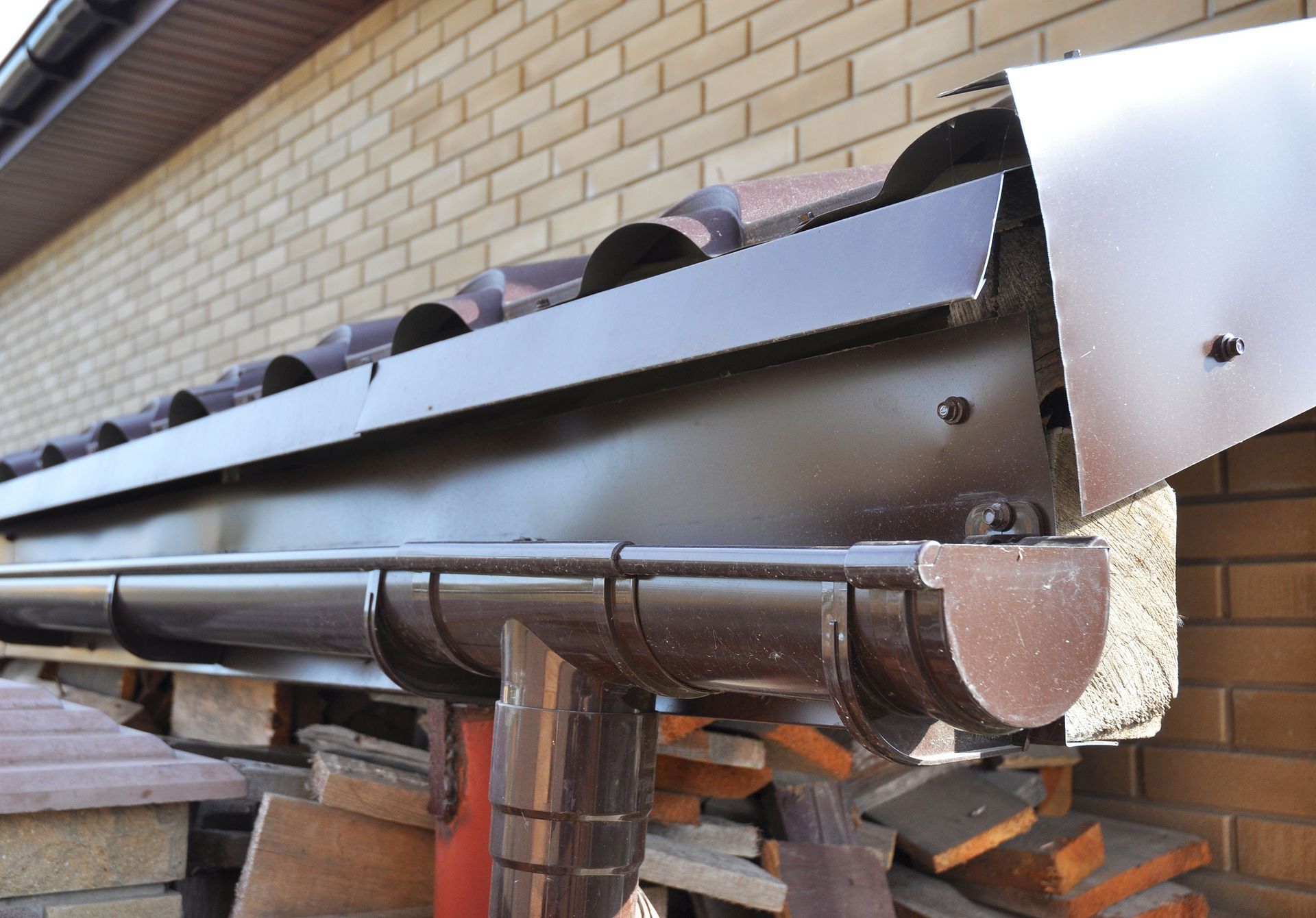
Cold weather causes metal gutter materials to contract, placing stress on seams, joints, and connections. When temperatures rise, these materials expand, creating repeated movement that may weaken the system. Water trapped inside gutters can also freeze and expand, potentially causing cracks, loose fasteners, or separated sections. Homeowners should watch for sagging areas, visible gaps, and detached downspouts. Scheduling gutter repairs when these problems first appear can prevent additional damage to the roofline, fascia boards, and surrounding exterior surfaces.
Understanding Spring Rainfall and Gutter Problems
Managing Heavy Rainfall and Overflow
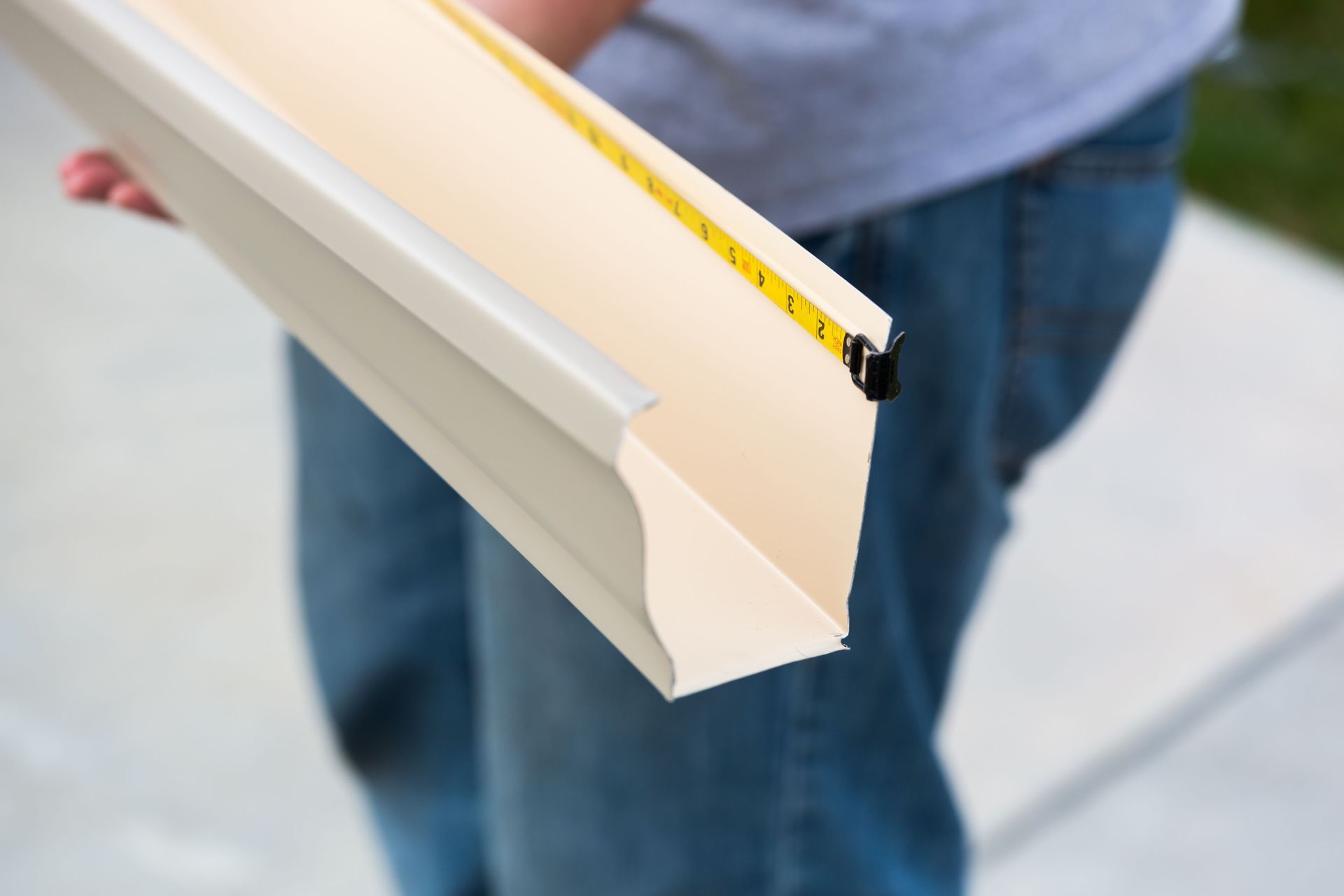
Spring often brings frequent rainfall and severe storms, putting additional pressure on residential drainage systems. When gutters cannot handle the amount of water coming from the roof, they may overflow and send moisture down exterior walls or toward the foundation. Proper sizing plays an important role in preventing these problems. According to HomeGuide, standard gutters are 5" or 6" wide but can range from 4" to 7", with larger sizes recommended for areas with frequent heavy rains. Homeowners should consider local rainfall patterns when evaluating their systems. Clear downspouts and properly positioned extensions also help direct water away from the property.
Removing Seasonal Debris and Inspecting Seams
Springtime brings blooming trees, falling seeds, pollen, and small branches that accumulate inside gutters. When this debris combines with rainwater, it can create dense blockages that interfere with drainage. Regular cleaning helps prevent standing water and reduces weight on gutter supports. Warmer temperatures can also cause gutter materials to expand, placing pressure on seams and sealants. Homeowners should inspect connections for openings, dripping water, and signs of separation. Addressing these concerns early through appropriate gutter repairs helps maintain reliable drainage during heavy rainfall.
Recognizing Summer Heat and Sun Damage
Addressing Thermal Expansion and Alignment
Summer temperatures can cause gutter materials to expand, particularly when exposed to prolonged direct sunlight. This movement may affect the alignment of gutter sections, especially when installation components do not allow enough room for natural expansion. Changes in alignment can interfere with the slope needed to move rainwater toward downspouts. As a result, water may collect in low spots rather than draining efficiently. Homeowners should look for sagging sections, standing water, and loose connections during summer inspections. Correcting alignment problems helps maintain consistent drainage and reduces stress on the system.
Identifying UV Deterioration and Loose Fasteners
Extended exposure to ultraviolet radiation can gradually weaken certain gutter materials, particularly older vinyl systems. Sun damage may cause discoloration, brittleness, and cracks that allow water to escape. Daily temperature fluctuations can also affect fasteners and mounting hardware, creating loose connections. These problems may become more noticeable during summer storms when gutters handle sudden increases in rainfall. Inspecting for visible deterioration and checking that supports remain secure can help homeowners identify developing issues. Prompt gutter repairs can restore proper function and prevent damaged sections from affecting nearby exterior materials.
Managing Fall Leaves and Seasonal Debris
Preventing Blockages from Falling Leaves
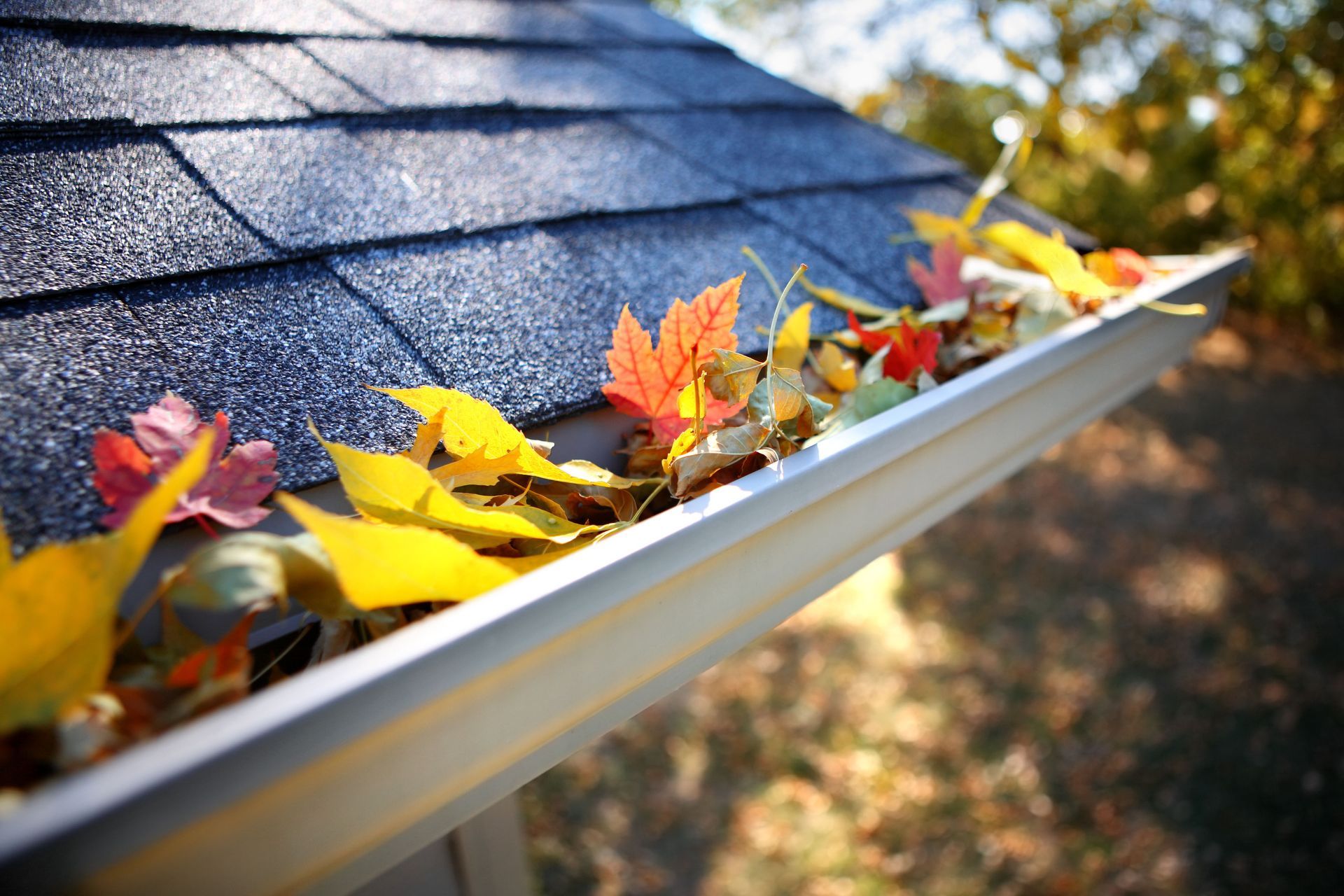
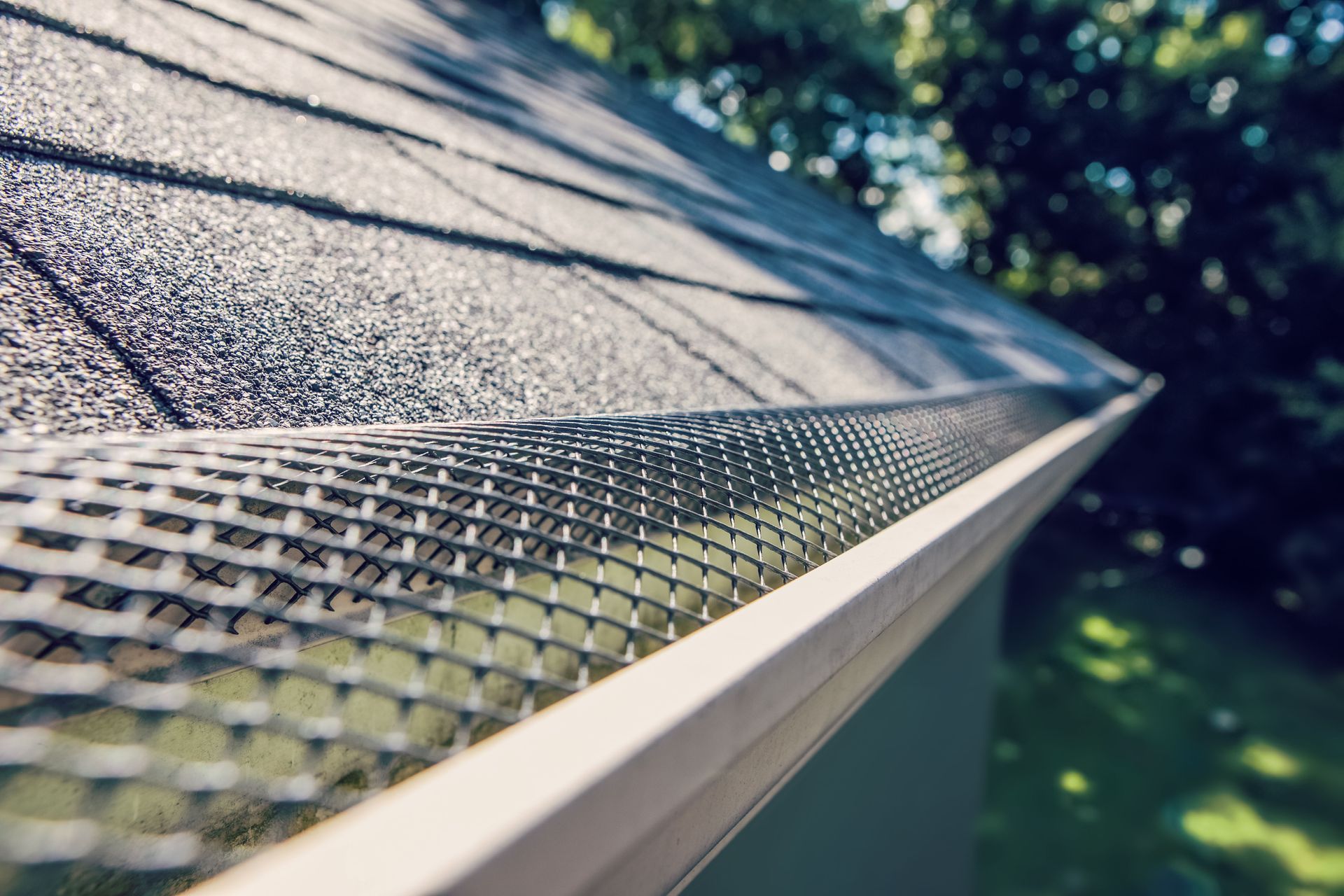
Autumn is one of the busiest seasons for gutter maintenance because falling leaves can quickly fill drainage channels. Wet leaves, twigs, and other organic materials create blockages that prevent rainwater from flowing toward downspouts. When water cannot drain properly, it may spill over the sides and collect near the home's foundation. Gutter guards can help reduce the amount of debris entering the system, although they do not eliminate periodic cleaning. Removing accumulated leaves throughout the season helps maintain proper water flow and prepares gutters for colder winter conditions.
Reducing Excess Weight and Pest Activity
Wet leaves and organic debris can become surprisingly heavy, placing unnecessary strain on gutter brackets and mounting hardware. If the added weight remains for an extended period, sections may sag or pull away from the fascia. Damp debris can also create an attractive environment for insects, rodents, and mold growth. Homeowners should inspect gutters for loose supports, standing water, and accumulated organic material. Removing debris and addressing structural concerns before winter can reduce the likelihood of extensive damage during freezing weather. Timely gutter repairs can also restore secure connections before additional weight causes further problems.
Preventing Long-Term Damage Through Seasonal Maintenance
Protecting the Roofline and Foundation
When seasonal changes interfere with gutter performance, the consequences can extend beyond the drainage system. Overflowing or leaking gutters allow water to reach siding, fascia boards, windows, and foundations. Repeated moisture exposure can contribute to wood deterioration, interior leaks, basement water problems, and foundation concerns. These issues become increasingly expensive when small drainage problems go unnoticed. Regular inspections help homeowners identify trouble spots before water damage spreads. Maintaining functional gutters is an important part of protecting the home's overall structure.
Extending Gutter Lifespan and Reducing Repair Costs
Consistent maintenance can help homeowners get more useful years from their existing gutter systems. Seasonal cleaning removes debris that contributes to blockages, while inspections reveal loose connections, damaged seams, and other developing problems. Ignoring these warning signs can accelerate deterioration and eventually make extensive repairs or replacement necessary. Addressing minor concerns promptly is generally more manageable than dealing with widespread water damage. Homeowners should establish a maintenance routine that accounts for local weather conditions, surrounding trees, and the age and material of their gutters.
Choosing Professional Gutter Maintenance and Repairs
Recognizing When Professional Service Is Necessary
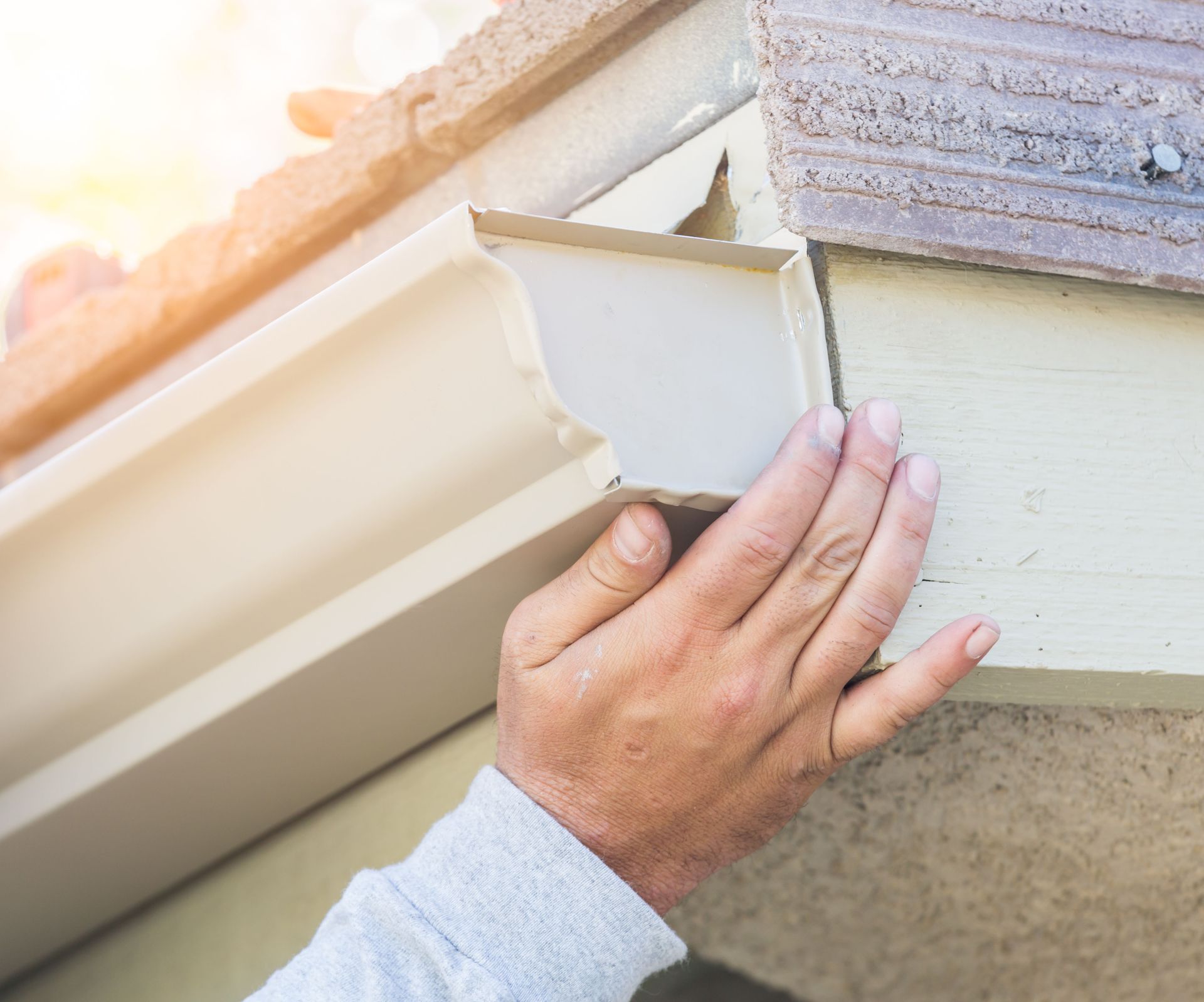
Some gutter maintenance tasks may appear straightforward, but complicated problems often require professional attention. Persistent leaks, detached sections, significant sagging, and damaged downspouts can indicate underlying issues that are difficult to identify without a thorough inspection. Working on ladders also presents safety concerns, particularly around steep roofs and multi-story homes. Professional service can help homeowners identify the source of drainage problems and determine which components need attention. When seasonal temperature changes affect multiple areas of the system, professional gutter repairs can address damage before it worsens.
Professional inspections provide an opportunity to evaluate gutter condition, identify vulnerable connections, and address problems before the next season begins. A qualified contractor can recommend appropriate solutions based on the system's materials, installation, and exposure to local weather conditions. Whether dealing with winter contraction, spring overflow, summer expansion, or autumn blockages, timely maintenance helps keep water moving away from the home. Homeowners experiencing recurring drainage issues can turn to Kurgan's Gutters & Siding for professional assistance. Contact the team to discuss your gutter concerns and find out how proper maintenance can help protect your home in every season.


Share On: