
Learning How Your Gutter Installation Truly Works
Gutters play an important role in directing rainwater away from your home, but a gutter system can only work properly when it is designed and installed correctly. From choosing the right materials to creating the proper slope and connecting downspouts, each part of the process affects how effectively water moves away from your property. Understanding how gutter installation works can help homeowners recognize the value of professional installation and proper maintenance. A well-designed system can help protect your roof, walls, foundation, and other parts of your home's exterior from water damage.
Assess Your Home's Gutter Needs
The first step is determining what your home needs. Every property has a different roof design, layout, and drainage pattern, so a gutter system should be planned around the structure rather than treated as a one-size-fits-all project.
A professional assessment may consider:
- The size and shape of the roof
- The amount of rainfall the area receives
- The placement of roof valleys
- The location of existing downspouts
- The slope and layout of the property
- The areas where water needs to be directed
The goal is to create a system that can collect water efficiently and move it away from the home's foundation. If gutters are too small for the amount of water they need to handle, they may overflow during heavy rain. If they are improperly positioned or connected, water may not drain away from the structure as intended.
Professional gutter installation helps ensure that the system is planned around the specific characteristics of the home. This is especially important for larger residential properties and commercial buildings, where the roof design and water volume may require more extensive planning.
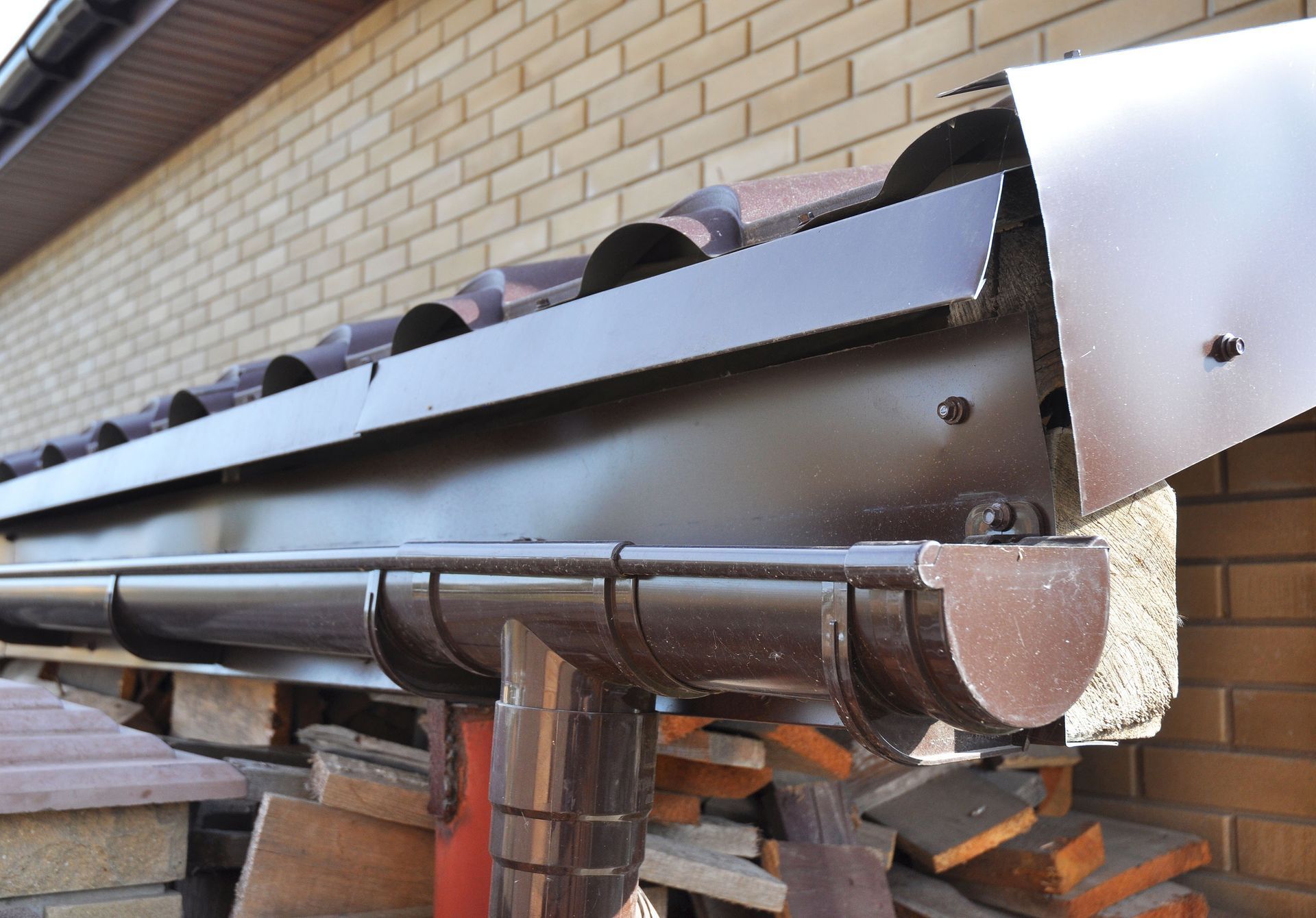
Choose the Right Gutter Materials
Gutters are available in a variety of materials, styles, and sizes. Choosing the right option can affect the system's appearance, durability, and performance.
Common gutter materials include:
- Aluminum
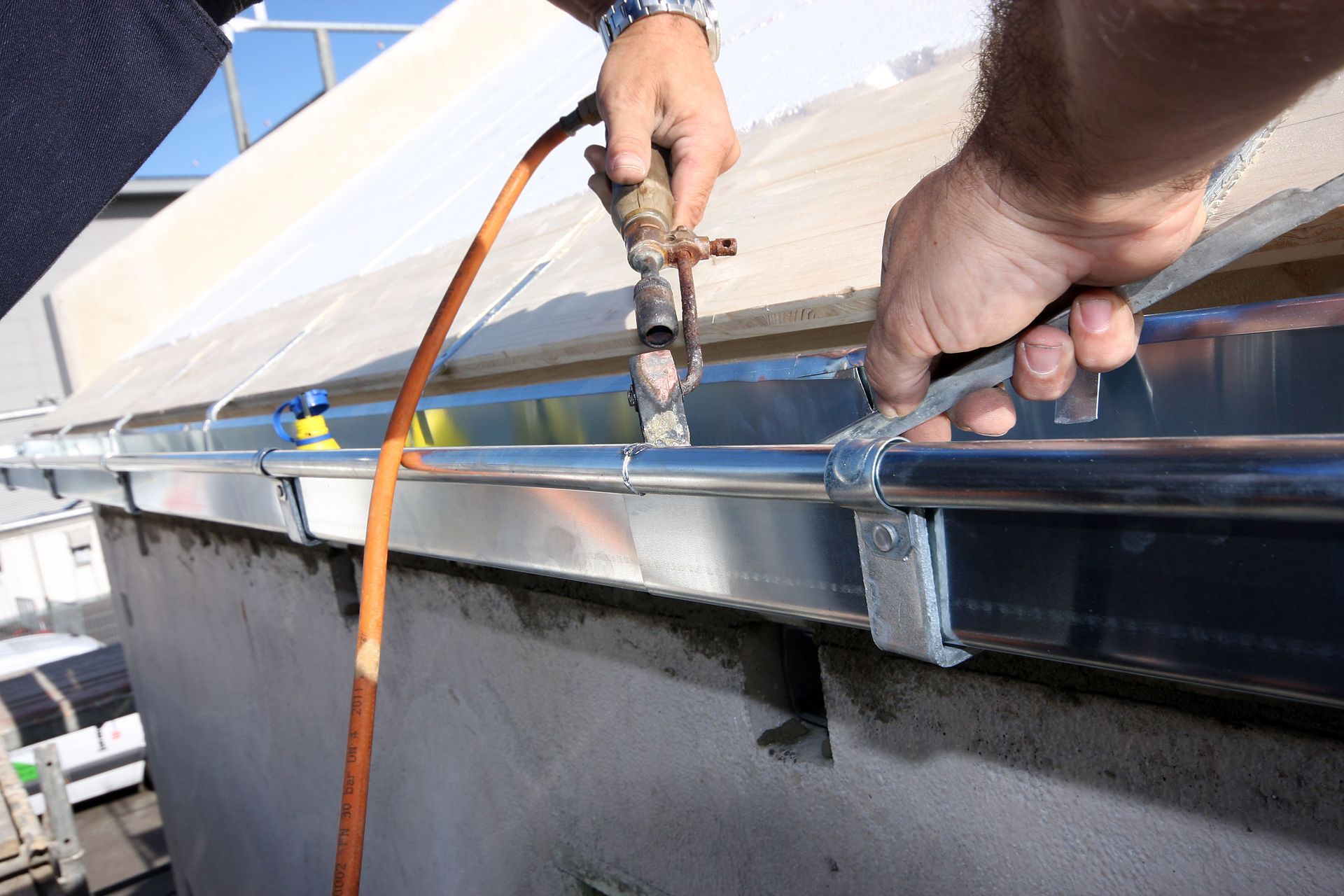
- Galvanized steel
- Copper
Different materials have different characteristics. Aluminum gutters are a popular choice because they are lightweight and resistant to corrosion. Galvanized gutters are made of steel coated with zinc, which helps provide protection against corrosion. Copper gutters offer a distinctive appearance and can develop a natural patina over time.
Homeowners may also choose from different gutter styles, including half-round and box gutters. The appropriate choice depends on the home's design, the property's needs, and the homeowner's preferences.
Gutter installation may also involve selecting five-inch or six-inch gutters, depending on the size of the roof and the amount of water the system needs to manage.
Position Gutters Along the Roofline
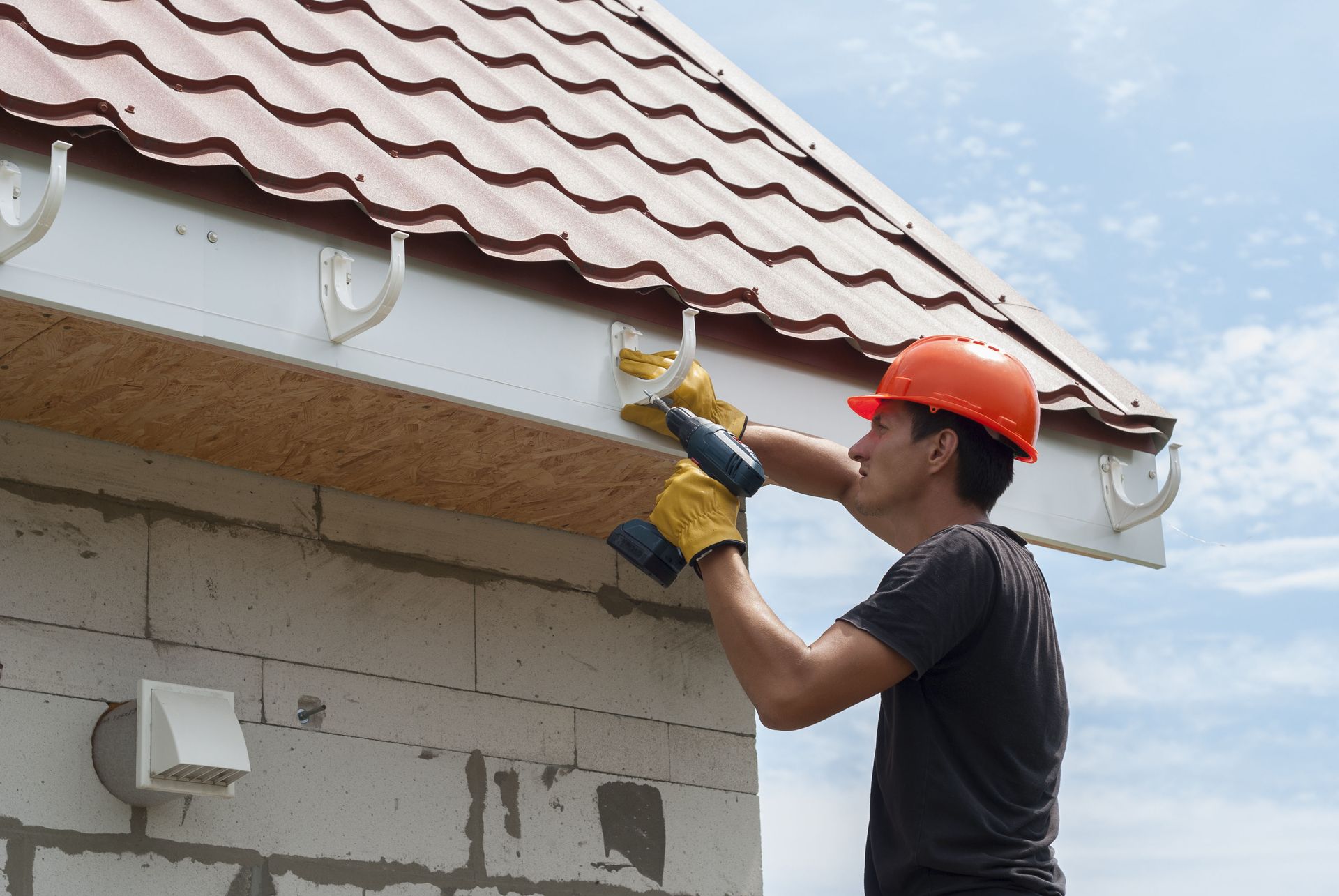
Once the appropriate system has been selected, gutters are positioned along the edges of the roof. This allows them to collect rainwater as it flows off the roof surface.
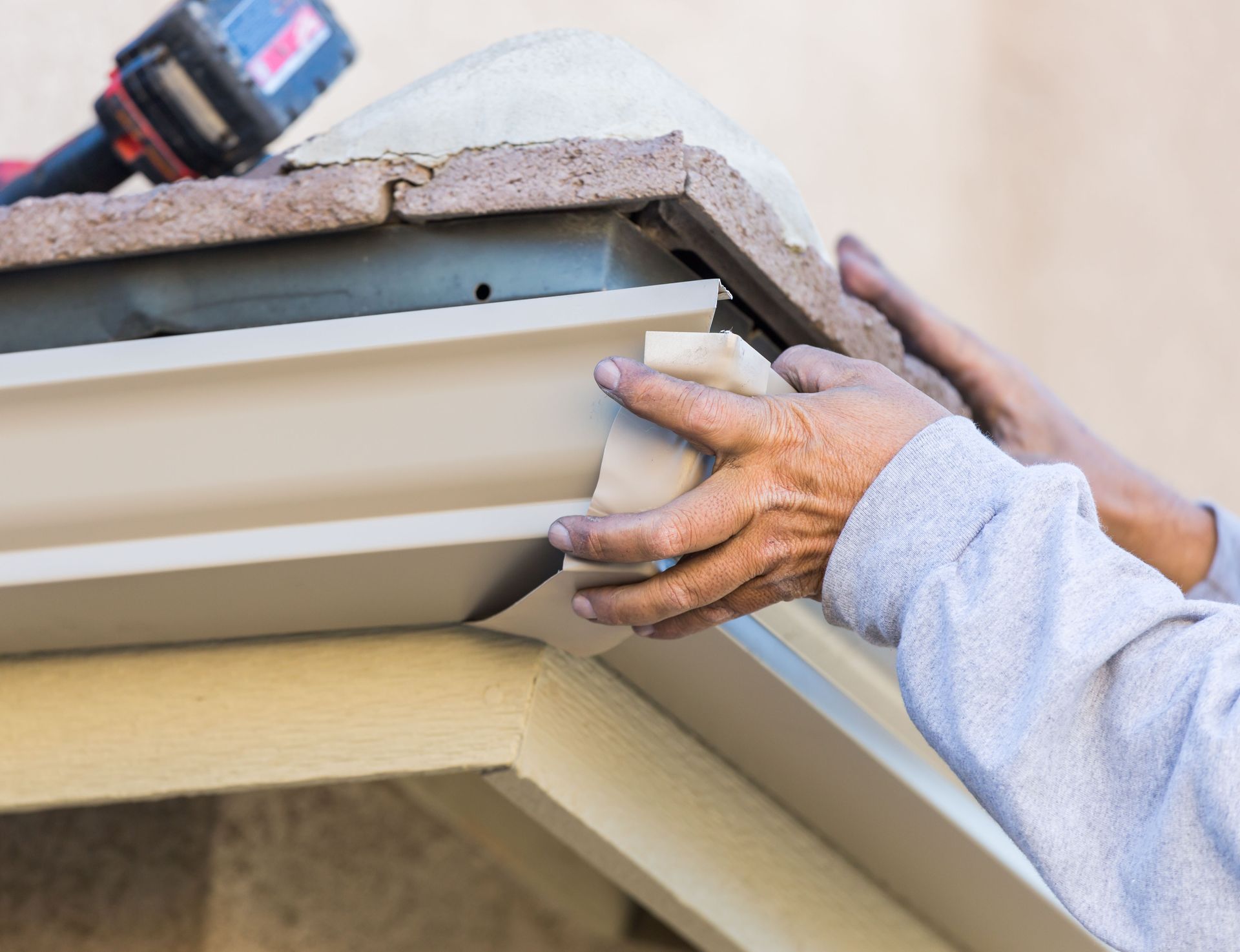
Proper positioning is essential. Gutters should be placed so they can collect water effectively without interfering with the roof or siding. They must also be securely attached to the structure to help prevent sagging or separation over time.
The roofline may include different sections, corners, and valleys that affect how water moves. A professional installation accounts for these features and places gutters where they can collect and direct water efficiently.
The system also needs to be aligned correctly. Gutters that are uneven or improperly positioned may allow water to pool instead of flowing toward the downspouts. Over time, standing water can contribute to excess weight, debris buildup, and other performance issues.
Create the Proper Gutter Slope
Although gutters may appear level when viewed from the ground, they are typically installed with a slight slope to help water move toward the downspouts. This small adjustment is an important part of the system's overall function.
According to This Old House, gutters should slope downward by approximately a quarter of an inch for every 10 feet to help water flow freely. This slight angle allows gravity to move rainwater through the gutter and toward the downspout without creating excessive pooling.
The slope must be carefully planned and installed. If the angle is too shallow, water may sit in the gutter instead of draining properly. If the slope is too steep, the system may not look properly aligned along the roofline.
A professional gutter installation ensures that the system is positioned to encourage consistent drainage while maintaining a clean appearance.
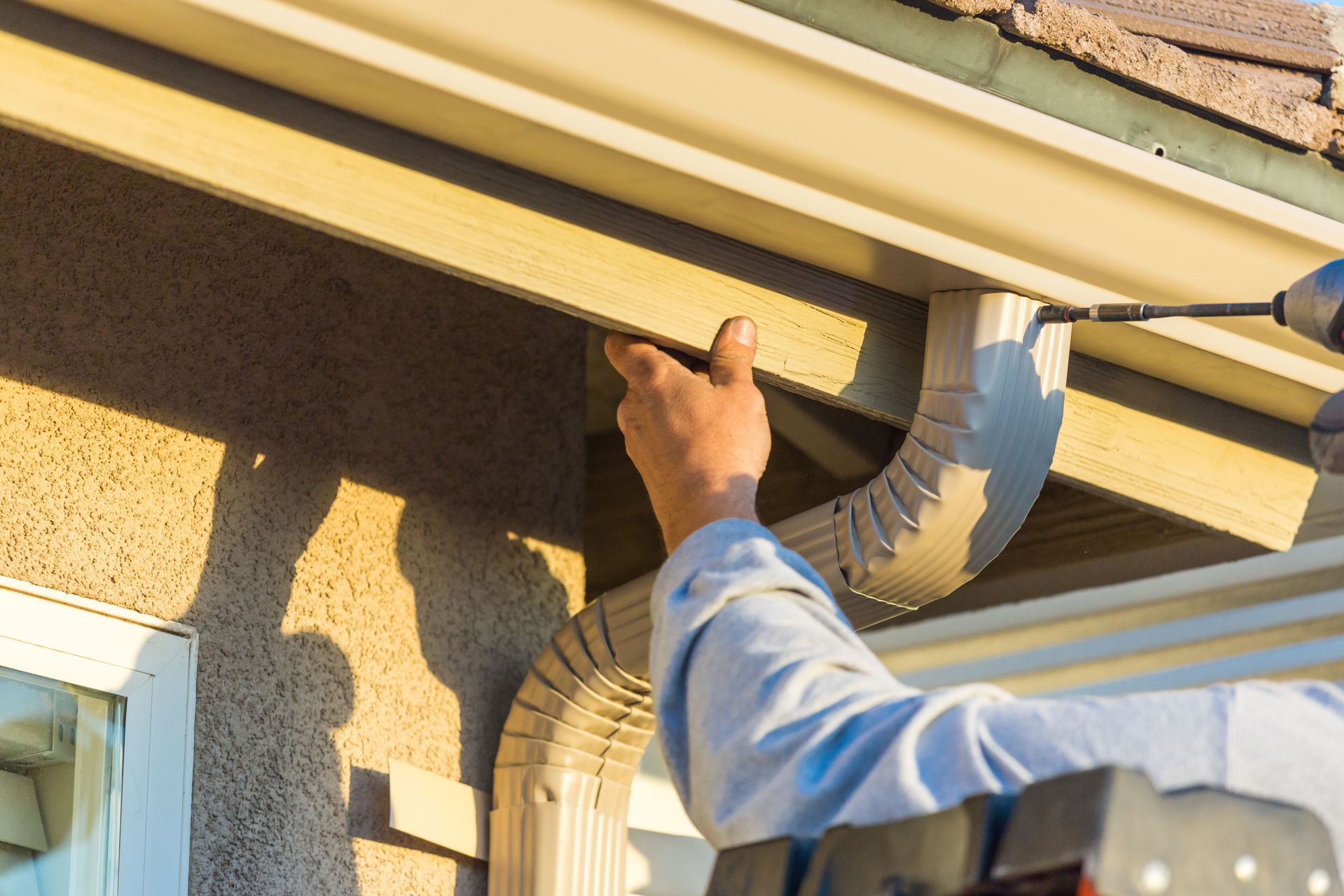
Direct Water Through Downspouts
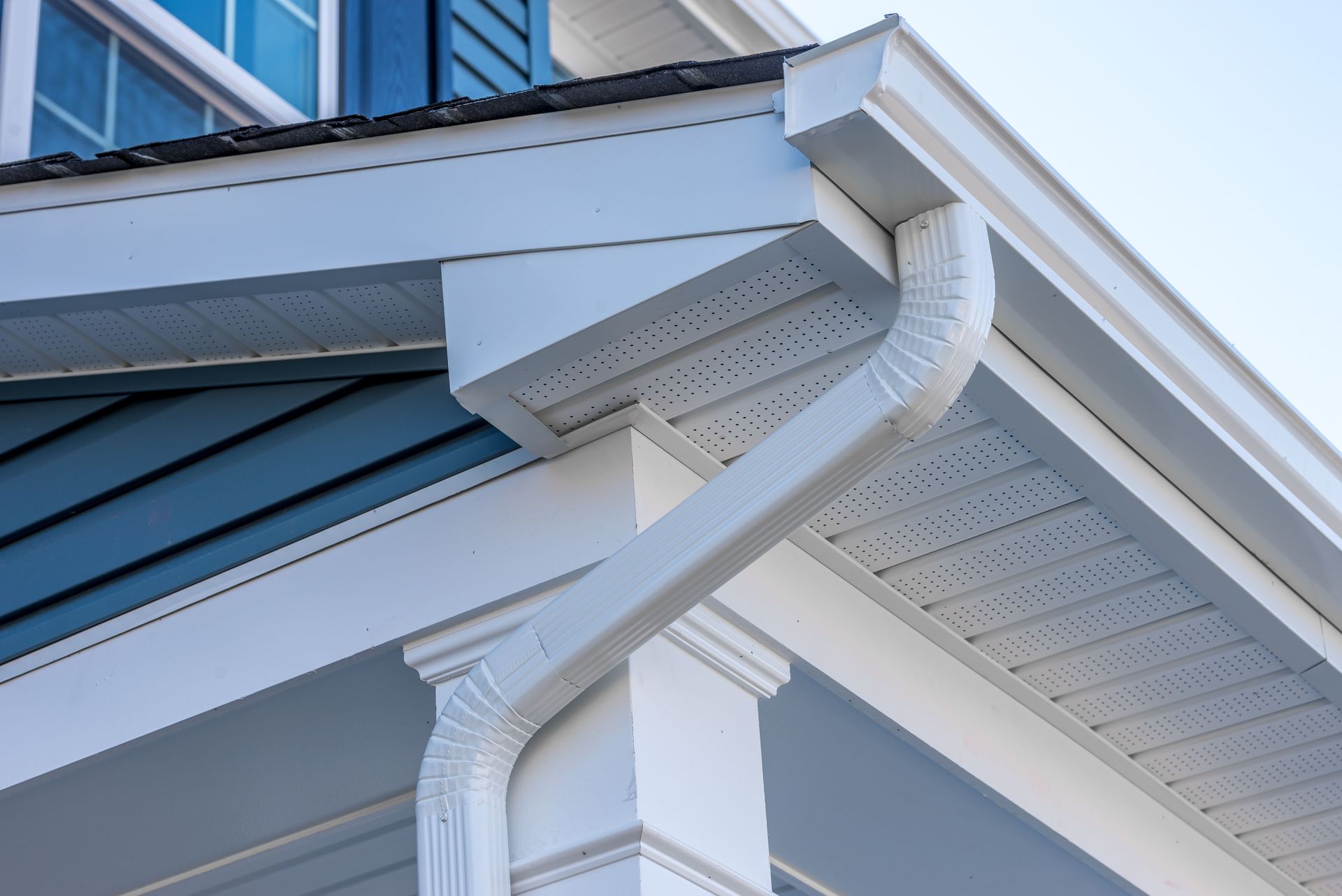
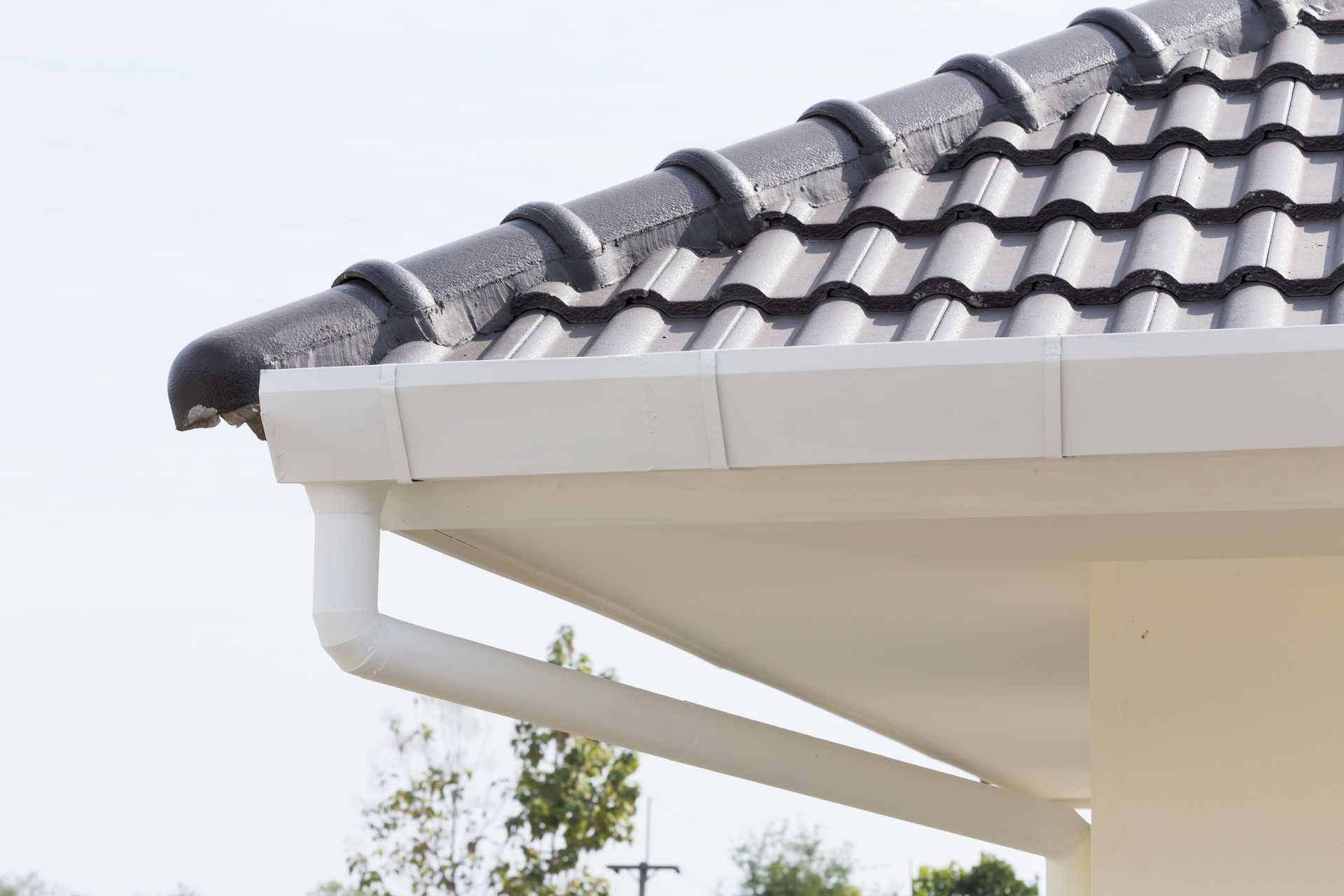
Gutters collect rainwater, but downspouts are responsible for carrying that water from the roofline toward the ground. Together, these components create a drainage system that helps move water away from the home.
Downspouts are strategically positioned based on the layout of the roof and the direction water needs to travel. Their placement can affect how effectively the system protects the foundation and other areas around the property.
A properly designed system should:
- Collect water from the roof.
- Direct water toward the appropriate downspout.
- Carry water safely to the ground.
- Move water away from the home's foundation.
If downspouts are missing, blocked, or poorly positioned, water may collect near the base of the home. This can contribute to moisture problems and damage to the foundation, walls, or surrounding landscape.
During gutter installation, professional attention to downspout placement helps ensure that water has a clear path away from the structure.
Add Gutter Screens When Appropriate
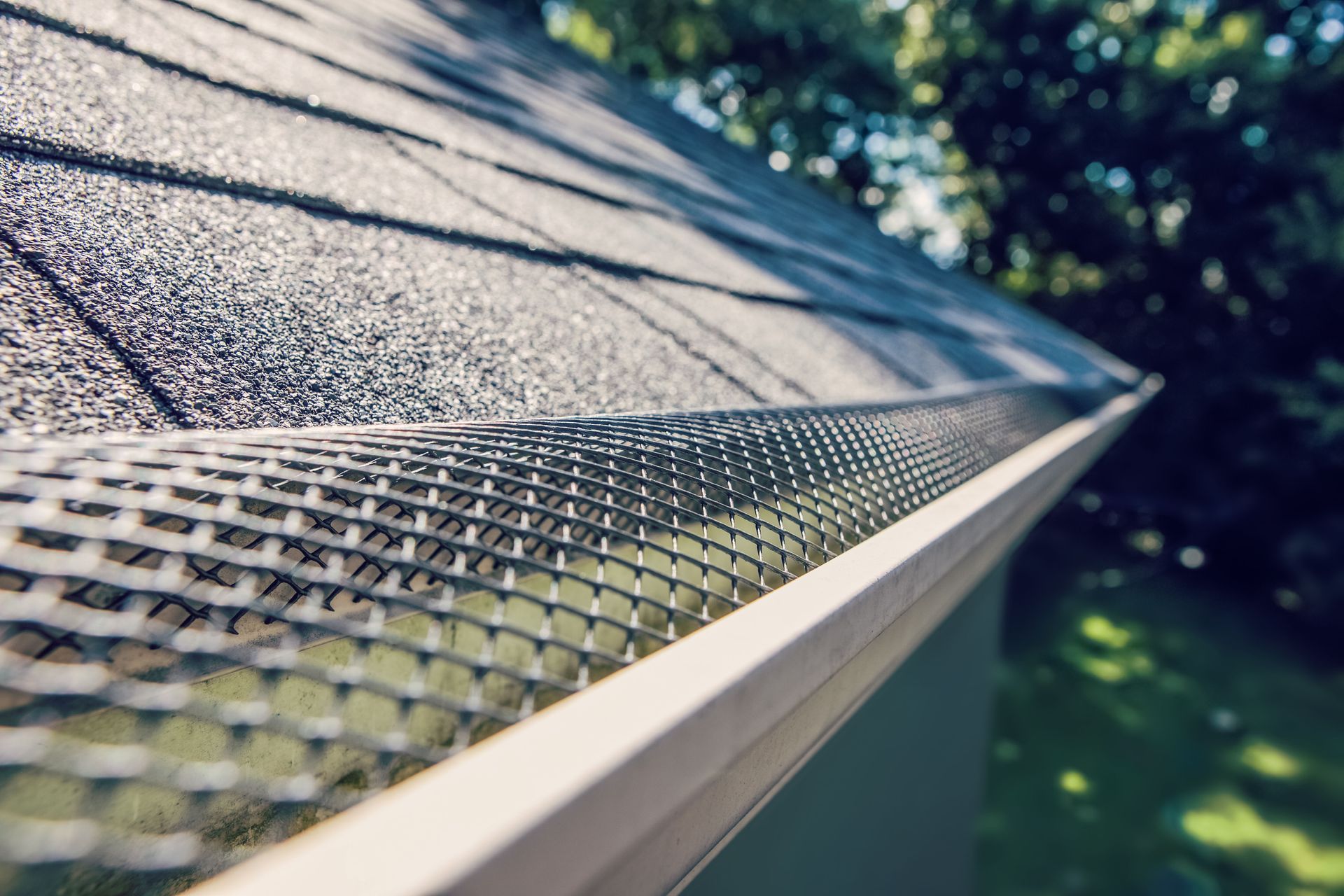
Leaves, twigs, and other debris can accumulate in gutters and interfere with water flow. Gutter screens can help reduce the amount of debris that enters the system, although they do not eliminate the need for maintenance.
Gutter screens may be particularly useful for homes surrounded by mature trees or properties that experience significant seasonal debris. By helping keep larger debris out of the gutters, screens can support more consistent water flow.
However, gutter screens should be selected and installed appropriately for the gutter system. Different products may work better for different types of gutters and roof designs.
Understand When Replacement Is Needed
Not every gutter problem requires a complete replacement. In some cases, a repair or thorough cleaning may be enough to restore proper performance. However, severely damaged or deteriorated systems may eventually need to be replaced.
Signs that a gutter system may need more extensive attention include:
- Widespread rust or corrosion
- Repeated leaks
- Multiple sections that are sagging
- Significant physical damage
- Persistent drainage problems
- Gutters that are no longer properly attached
A professional evaluation can help homeowners determine whether repairs or a new system would be the better option. Replacing a failing system may improve water management and help protect the property from ongoing drainage problems.
Protect Your Home With Proper Drainage
Gutters are more than decorative features along the edge of a roof. They are part of a drainage system designed to collect rainwater and direct it away from the home. Every part of the system, from the gutter material and slope to the downspout placement, affects how well it performs.
Understanding the basics can help homeowners make more informed decisions about their properties. A properly designed system can help manage rainwater, reduce the risk of water damage, and support the long-term condition of the home's exterior. Regular gutter cleaning, gutter screens, and timely gutter repairs can also help keep the system functioning properly over time.
If your home needs a new drainage solution or your existing gutters are no longer performing properly, contact Kurgan's Gutters & Siding for a professional
gutter installation designed to help protect your property from water damage.


Share On: