
Measuring for Success: The Homeowner's Guide to Correct Gutter Sizing
Every year, homeowners spend thousands of dollars fixing water damage that could have been completely avoided. We often look at our roofs, siding, and foundations when assessing the structural health of our homes, but we rarely give a second thought to the narrow channels running along our rooflines. Gutter systems are the unsung heroes of residential water management. Their primary job is simple: collect rainwater cascading off the roof and safely channel it away from the home's foundation.
However, when gutters are improperly sized, they quickly transform from a protective shield into a major liability. If your gutters are too small, heavy downpours will cause them to overflow, spilling sheets of water directly onto your siding, windows, and landscaping. Finding the perfect fit requires a balance of mathematical precision, architectural awareness, and regional climate assessment. For those managing local gutter repairs, getting the size right is the single most important step toward long-term property protection.
Understanding the Anatomy of a Gutter System
Before grabbing a ladder and a tape measure, it helps to understand the components that make up a standard water management system. Gutters are not one-size-fits-all products; they come in various shapes, materials, and configurations.
Gutter Profiles
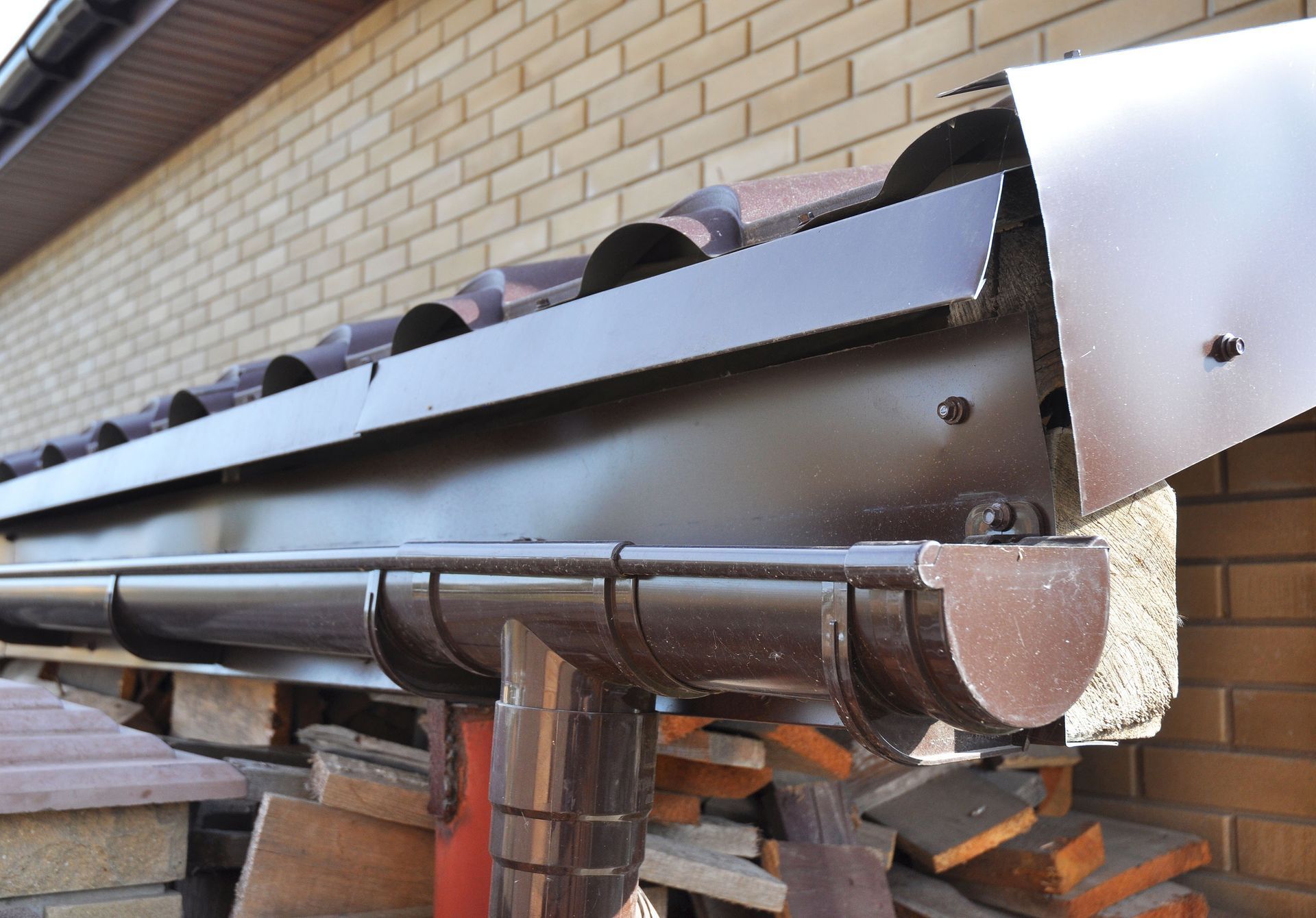
The two most common gutter shapes found on residential homes are K-style and half-round. K-style gutters feature a flat back and a decorative, crown-molding-like front profile. They are incredibly popular because they blend seamlessly with modern architectural styles and can hold more water than a half-round gutter of the same width. Half-round gutters resemble a simple open pipe cut in half. They offer a classic, historic aesthetic that looks beautiful on traditional or rustic homes. Because their interiors are completely smooth, water flows through them efficiently, and they are less prone to trapping leaves and debris.
Material Selection
The material you choose impacts both the weight of the system and its durability. Aluminum is the industry standard for most homes because it is lightweight, naturally rust-resistant, and relatively easy to work with during local gutter repairs. Steel gutters offer incredible strength in regions prone to heavy snow and ice, but they require regular maintenance to prevent rust. Vinyl is a budget-friendly option often favored by DIY enthusiasts, though it degrades faster under intense UV sunlight. Finally, copper represents the luxury tier, offering decades of durability and a beautiful natural patina over time.
The Critical Factors in Gutter Sizing
Determining the correct gutter size involves more than simply measuring the edge of your roof. You must evaluate how much water your roof actually collects and how fast that water travels during a severe storm.
1. Roof Watershed Area
The total surface area of your roof dictates how much rainwater your gutters will catch. A massive, sweeping roofline will collect significantly more water than a small, compact cottage roof. To find your watershed area, you need to calculate the square footage of the roof footprint, accounting for every individual slope that feeds into a single gutter run. When planning local gutter repairs, mapping out these distinct drainage zones prevents localized overflows.
Interestingly, you can often estimate your material needs early in the planning phase based on broad residential averages. According to HomeGuide, the gutter length for most houses is about one-tenth of the property's total square footage. While this general rule of thumb is excellent for estimating material costs and initial logistics, you still need to dive into exact regional metrics to establish the required width and depth of your channels.
2. Roof Pitch and Speed
The steepness of your roof—known as the pitch—profoundly affects water velocity. A flat or low-pitch roof allows water to drain slowly and predictably. A steep, dramatic roof pitch acting like a ramp forces rainwater to accelerate rapidly down the shingles. When fast-moving sheets of water slam into a gutter that is too narrow or improperly positioned, the water can completely overshoot the channel, rendering the entire system useless. Therefore, steeper roofs generally demand wider gutters and higher outer edges to successfully capture and contain the fast-flowing runoff.
3. Regional Rainfall Intensity
A five-inch gutter might work perfectly for a home in an arid climate that rarely experiences heavy storms. However, that same five-inch gutter will fail catastrophically during a tropical downpour in a coastal or Midwestern region. When sizing your system, you must look up local weather data to find the maximum rainfall intensity for your area, usually measured in the maximum inches of rain per hour during a heavy storm. Your gutters must be built to handle these worst-case scenarios, not just a gentle spring shower.
Step-by-Step Guide to Measuring Your Home
If you are preparing to order materials or hire a contractor for local gutter repairs, executing a precise physical measurement of your roofline is mandatory. Here is how to approach the task safely and accurately.
Step 1: Map the Roof Footprint
Sketch a bird's-eye view diagram of your home on a piece of paper. Label each straight edge of the roofline where a gutter will be attached. Use a heavy-duty tape measure to record the exact length of each fascia board. Note any architectural features that could complicate the layout, such as chimneys, dormers, valleys, or intersecting rooflines.
Step 2: Determine the Pitch
To calculate your roof pitch, use a standard level and a tape measure while standing safely on a ladder or working from an attic window. Measure a horizontal distance of 12 inches along the roofline (the "run"). From that 12-inch point, measure vertically straight down to the roof surface (the "rise"). If the vertical distance is six inches, your roof has a six-in-12 pitch. The higher the rise, the steeper the roof, and the more capacity your gutters will require.
Step 3: Size the Downspouts
A gutter is only as good as its ability to empty itself. Downspouts are the vertical pipes that carry water safely to the ground. If your downspouts are too small or spaced too far apart, water will back up into the horizontal channels and cause an overflow. In our experience, we have found it best to place one downspout for every 30 to 40 feet of gutter length. Upgrading to larger rectangular or oversized round downspouts is an easy way to boost the overall drainage capacity of your existing system during local gutter repairs without needing to replace all the horizontal channels.
Common Pitfalls to Avoid
Even with accurate numbers, minor oversights during the planning and installation phases can ruin the efficiency of your system.
Neglecting the Pitch of the Gutter
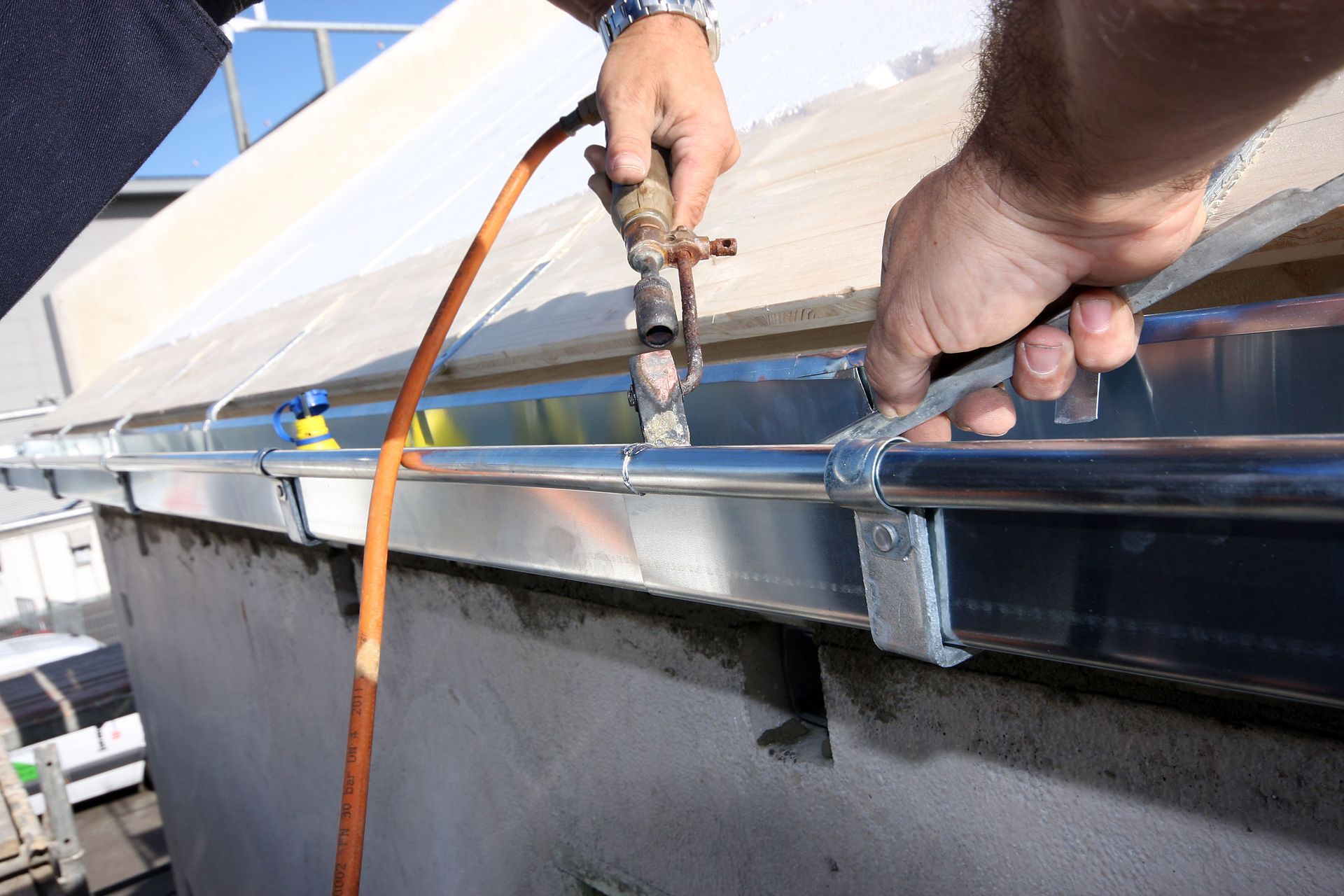
Horizontal gutters should never be perfectly level. They must slope slightly downward toward the nearest downspout to ensure that water moves continuously and doesn't stagnate. The standard industry slope is roughly one-fourth inch of drop for every 10 feet of gutter run. If the slope is too gentle, standing water will pool in the channels, attracting mosquitoes and causing heavy sagging. If the slope is too steep, it will look crooked from the street and diminish your home's curb appeal.
Ignoring Local Environmental Factors
If your property is surrounded by mature trees, oak tassels, pine needles, and autumn leaves will inevitably find their way into your water management system. When debris builds up, it reduces the usable volume of the channel. For heavily wooded properties, it is wise to step up to a larger gutter size or invest in high-quality gutter guards to keep the channels clear. Factor these environmental challenges into your plans when scheduling local gutter repairs to save yourself from dangerous, repetitive ladder maintenance down the road.
Correctly sizing your home's gutter system is a technical task that delivers massive returns in property protection. By taking the time to calculate your roof's watershed area, evaluate its pitch, and account for local weather patterns, you transform your drainage system from a guessing game into an engineered defense network. Whether you choose to tackle the project yourself or hire a professional specializing in local gutter repairs, accurate measurements ensure that your home remains safe, dry, and structurally sound for decades to come. Don't wait for the next major storm to find out that your gutters are too small; invest in the right fit today to preserve your home's foundation tomorrow. To get started on your new gutter installations or repairs, reach out to the pros over at Kurgan's Gutters & Siding today.








Share On: