
Copper vs. Galvanized Steel Gutters: What a Local Gutter Installer Wants You to Know
Choosing the right gutter material is an important part of protecting your home from water damage. Gutters help direct rainwater away from siding, foundations, and landscaping, reducing the risk of erosion and structural issues. While homeowners often compare copper and galvanized steel when researching gutter options with a local gutter installer, understanding how materials perform and how professional installation affects results can help guide practical decisions.
In many cases, gutter decisions are made alongside other exterior updates or maintenance needs, which makes having a clear understanding of material characteristics especially useful. Consulting a gutter installer during planning can help homeowners evaluate how gutters interact with roofing, siding, and drainage patterns. This type of coordination supports more effective planning and reduces the likelihood of preventable issues later.
Understand Gutter Material Differences
When evaluating gutter systems, material choice plays a role in durability, appearance, and long-term maintenance. Copper and galvanized steel are commonly discussed due to their strength and resistance to weather-related wear. Working with a gutter installer can help homeowners understand how these materials perform under real-world conditions.
Material discussions often come up during early planning stages, especially when homeowners are comparing cost, upkeep expectations, and visual impact. Even when certain materials may not be immediately available, conversations with a local gutter installer can clarify which options align with a home's structure and drainage requirements. This approach allows homeowners to make informed decisions before moving forward.
Evaluate Galvanized Steel Gutter Performance
Focus On Structural Strength Under Heavy Loads
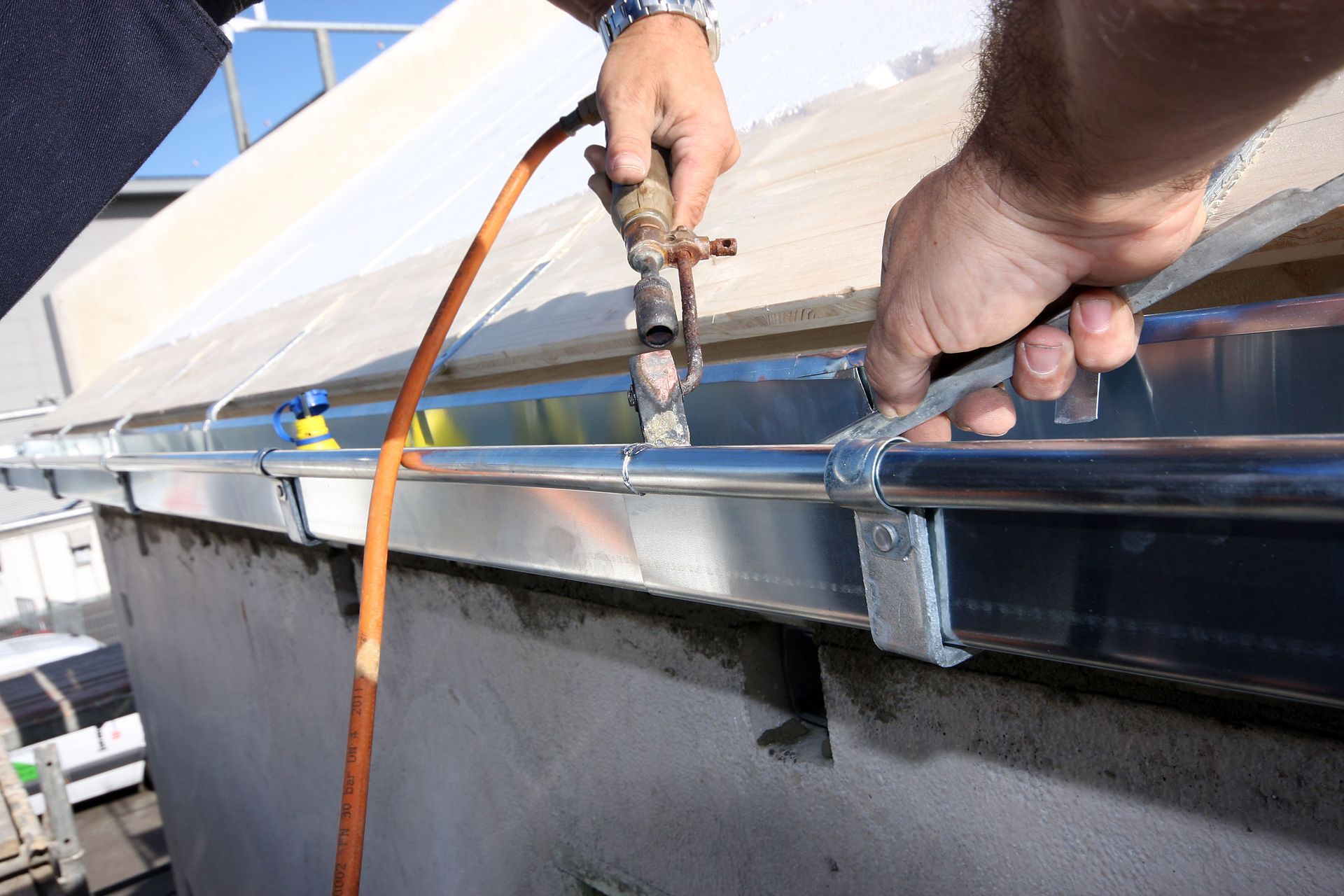
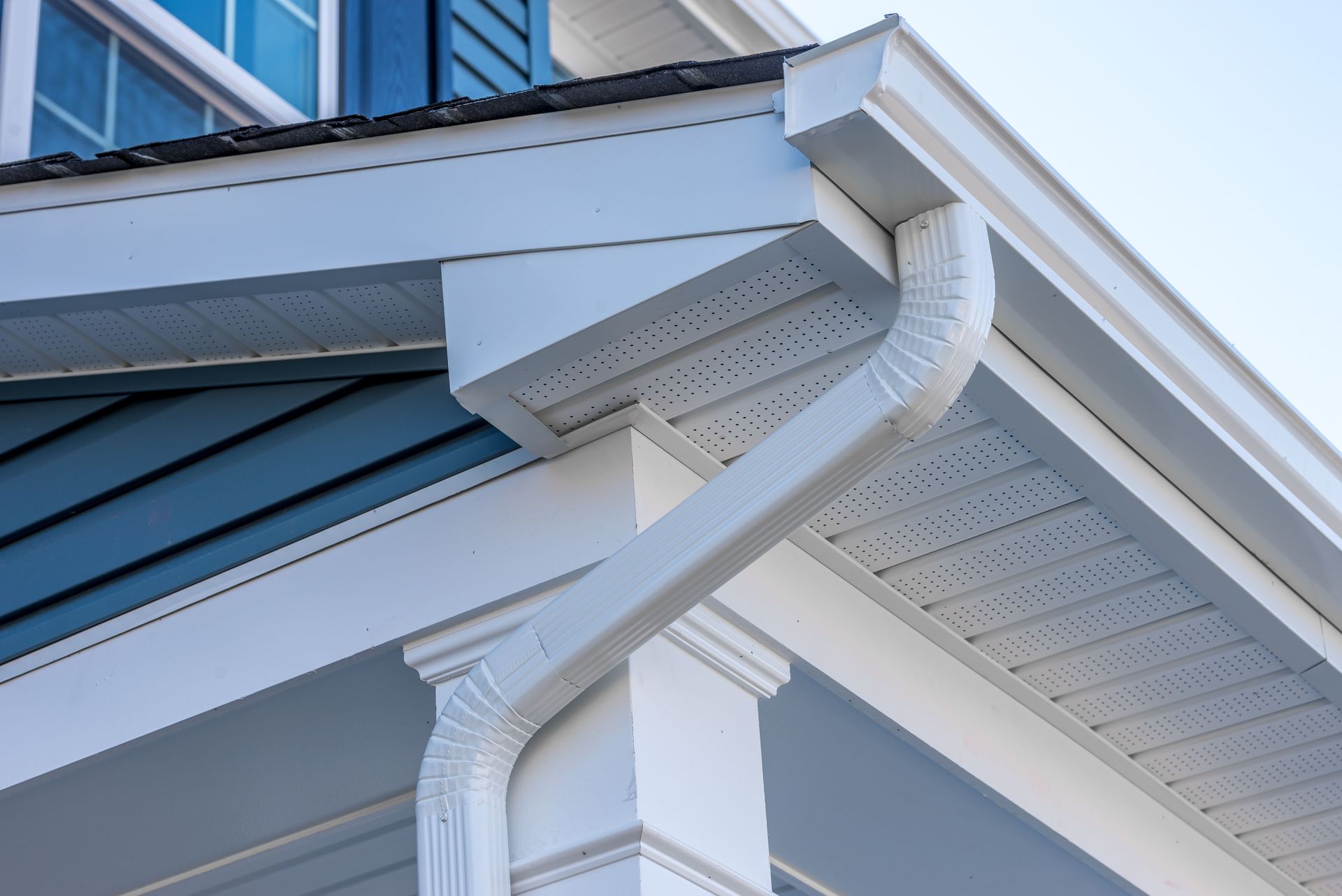
Galvanized steel gutters are made from steel coated with a protective zinc layer that helps slow corrosion. This coating supports long-term performance in areas exposed to rain and seasonal weather changes. The rigidity of steel allows gutters to maintain their shape under heavy water flow, debris accumulation, and snow loads.
This structural stability can be especially helpful in regions that experience fluctuating weather conditions throughout the year. Gutters that retain their shape are better positioned to manage consistent drainage. These characteristics are often reviewed during evaluations with a local gutter installer.
Assess Longevity With Routine Maintenance
With proper care, galvanized steel gutters can provide many years of dependable service. According to Forbes, galvanized steel gutters can last 20 to 25 years. Periodic inspections, debris removal, and timely repairs help preserve the protective zinc coating and prevent rust from forming.
Maintenance routines also give homeowners an opportunity to identify small issues before they develop into larger concerns. Addressing minor wear early helps preserve both function and appearance. These practices support consistent drainage over time.
Compare Appearance and Exterior Compatibility
Galvanized steel gutters offer a clean, understated appearance that works well with a variety of home styles. Their neutral finish pairs easily with siding, roofing materials, and exterior trim. Functional accessories such as gutter screens or rain chains can be added to support both performance and visual appeal.
This adaptability makes galvanized steel a common consideration for homeowners seeking a balanced exterior look. When paired with existing architectural features, these gutters blend into the overall design. This balance supports both appearance and function.
Review Cost and Long-Term Value Factors
Galvanized steel gutters are often chosen for their balance of durability and cost efficiency. While they may not last as long as some premium materials, their affordability and strength make them a practical option. Homeowners often evaluate these factors during planning discussions.
When evaluating cost, it can be helpful to consider not only installation but also anticipated maintenance needs over time. Looking at the full scope of ownership allows for more accurate comparisons. This approach supports both short-term budgets and long-term planning.
Review Copper Gutter Characteristics
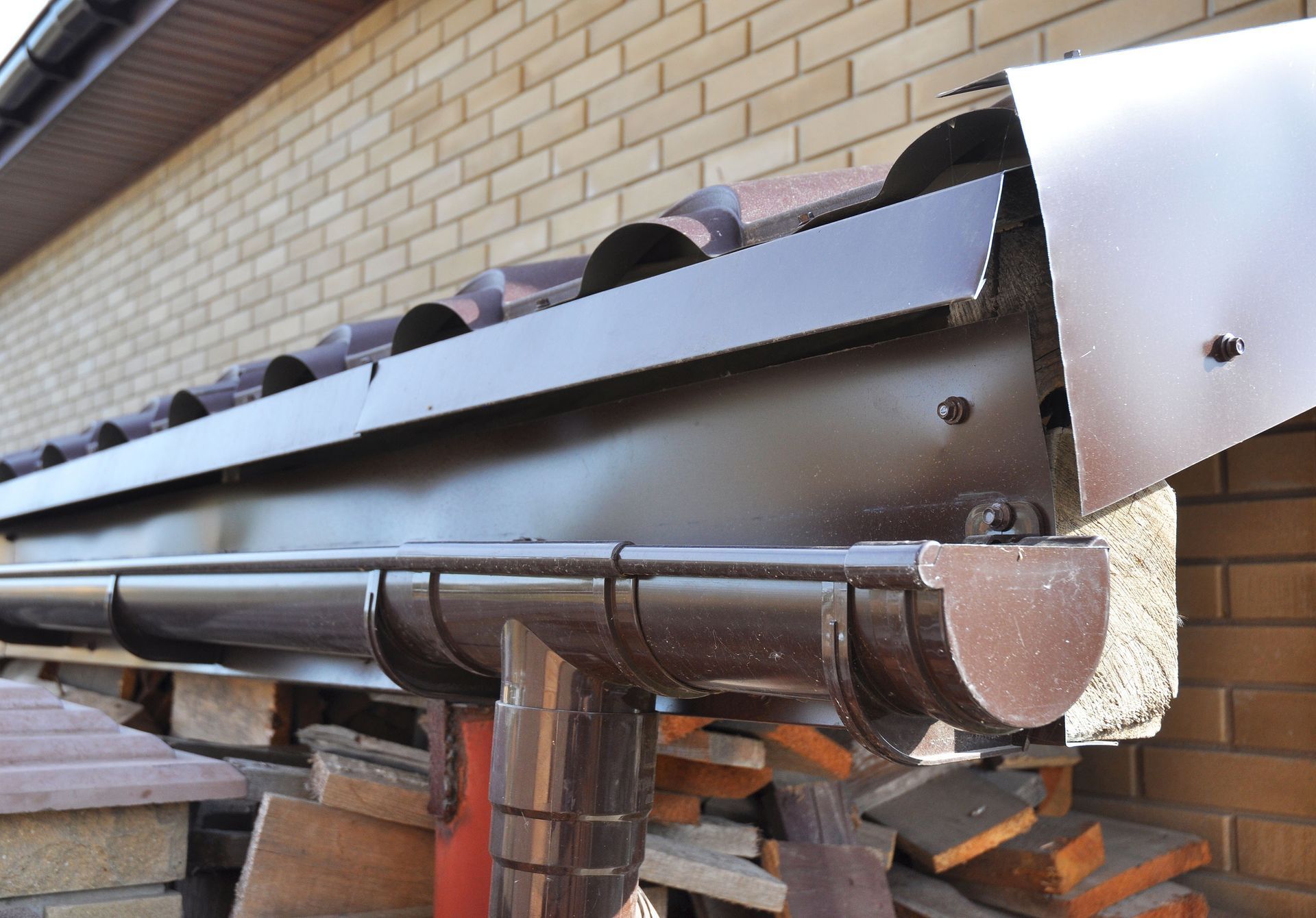
Copper gutters are often referenced in discussions about premium exterior materials due to their distinctive appearance. Over time, copper develops a patina that many homeowners find visually appealing. However, copper systems are typically more specialized and may not be offered by every local gutter installer.
Because copper gutters are not universally available, they are often considered during early research rather than final selection. Understanding their general characteristics can still be useful for comparison purposes. These insights help homeowners evaluate how different materials age under similar conditions.
Address Ongoing Gutter Maintenance Needs
Handle Routine Gutter Cleaning Requirements
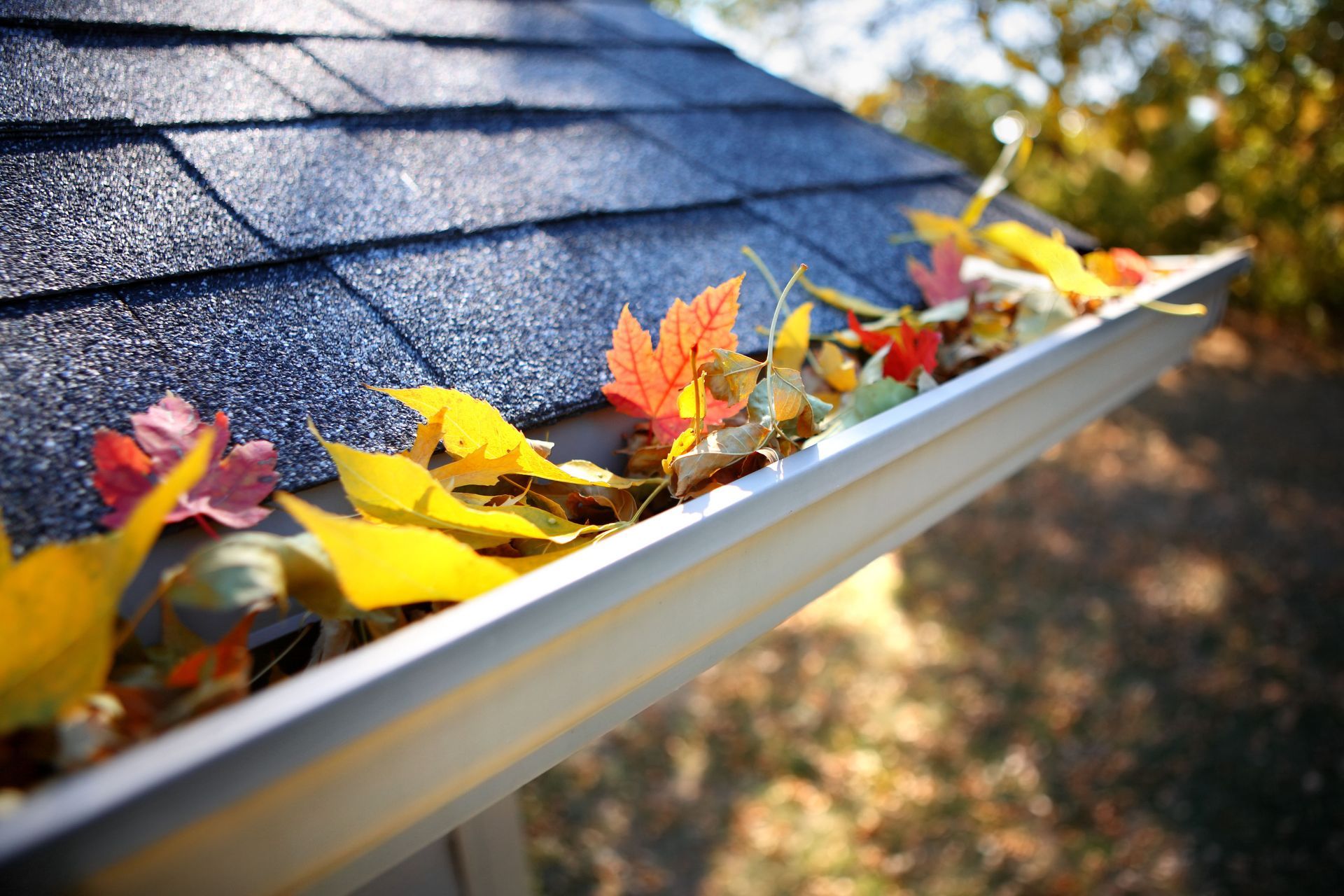
Leaves, debris, and sediment buildup can affect any gutter system, regardless of material. Regular cleaning helps prevent clogs and reduces strain on gutter fasteners. Consistent maintenance ensures water flows away from the home as intended.
Cleaning schedules may vary depending on surrounding trees and seasonal weather patterns. Homes in areas with frequent leaf drop may require more frequent inspections. This proactive approach supports consistent drainage performance.
Identify Common Repairs and Alignment Adjustments
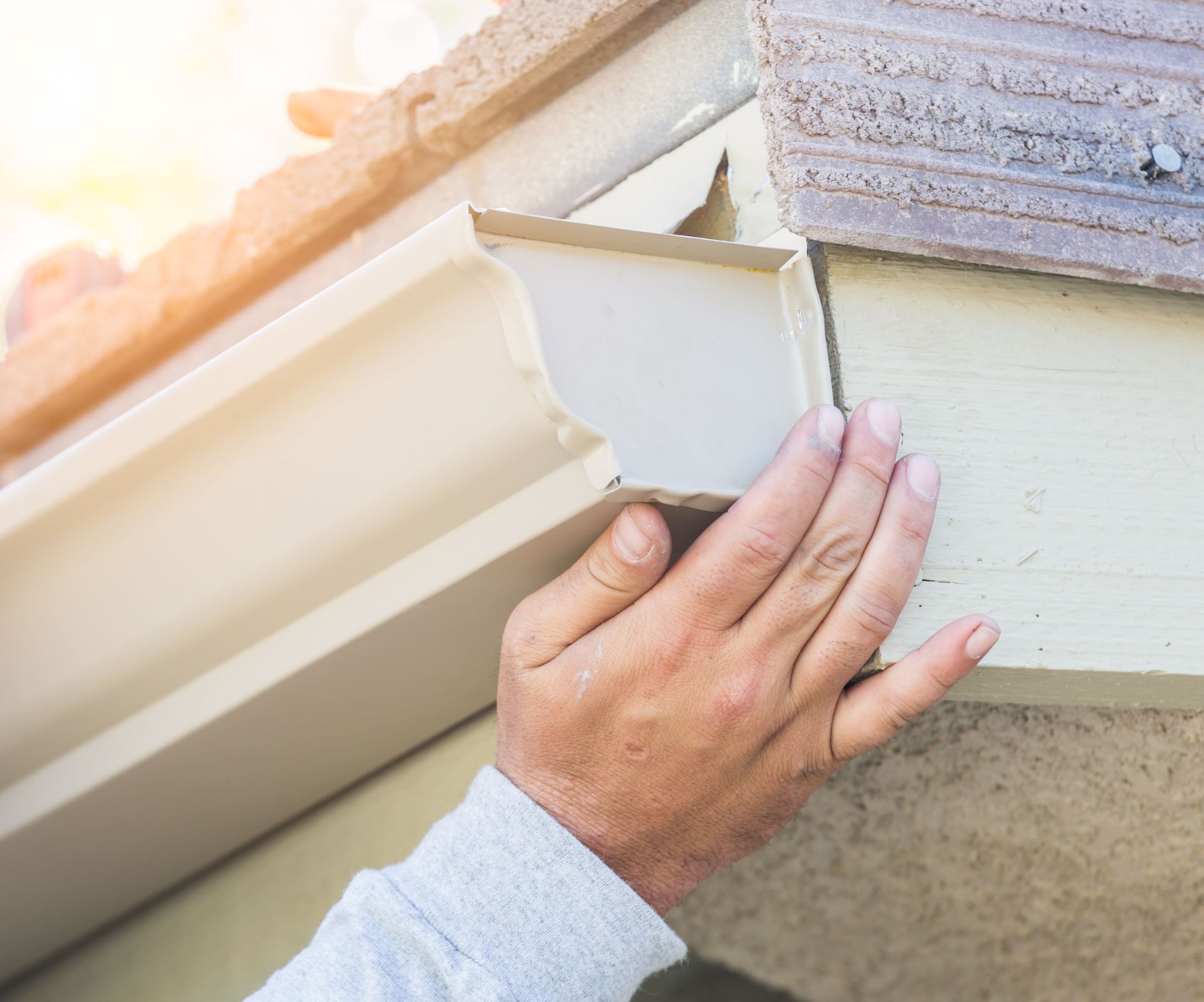
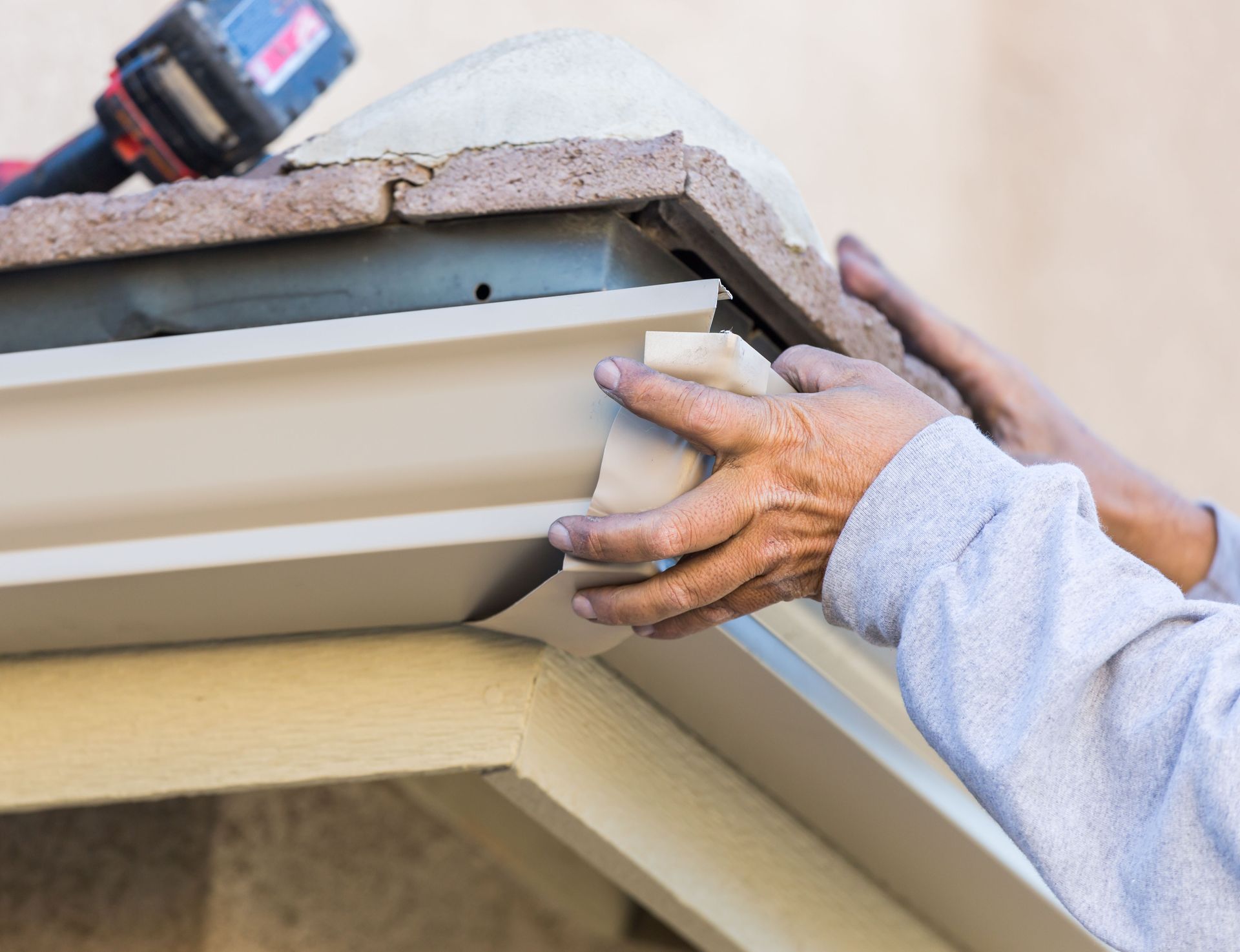
Over time, gutters may require minor repairs such as re-securing loose sections or correcting alignment. Prompt attention to these issues helps extend system lifespan. These steps also reduce the risk of water damage to siding and fascia boards.
Even well-installed gutter systems can shift gradually due to temperature changes. Periodic evaluations allow adjustments to be made before water diversion is affected. This helps maintain dependable drainage over time.
Understand Gutter Protection and Debris Reduction Options
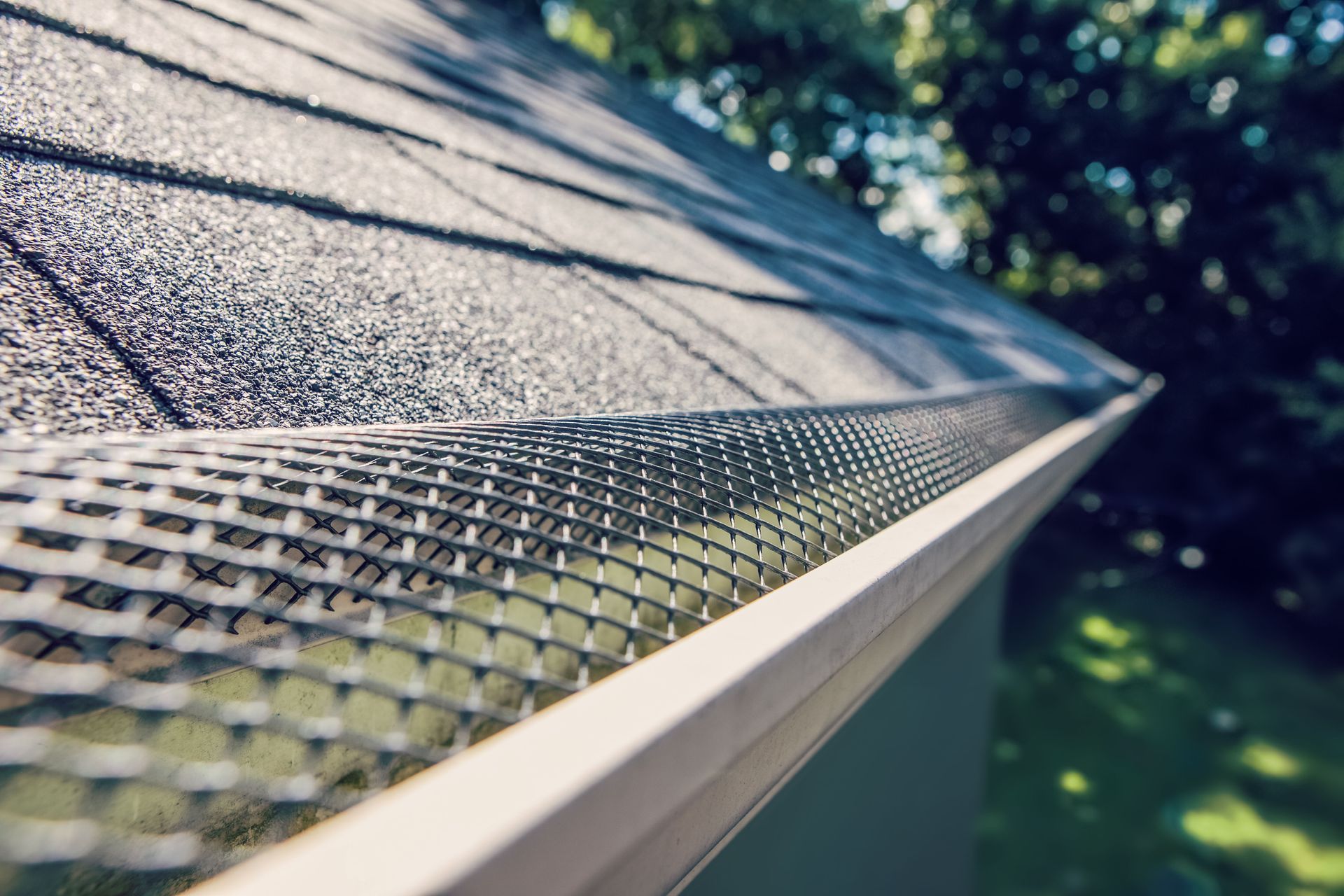
Installing gutter screens can help reduce debris accumulation and limit how often cleaning is needed. These systems support consistent water flow while minimizing blockages. They are often selected based on surrounding vegetation.
While no system eliminates maintenance entirely, these additions simplify ongoing care. They can also reduce strain on gutters during heavy rainfall. This supports long-term system performance.
Emphasize Professional Gutter Installation
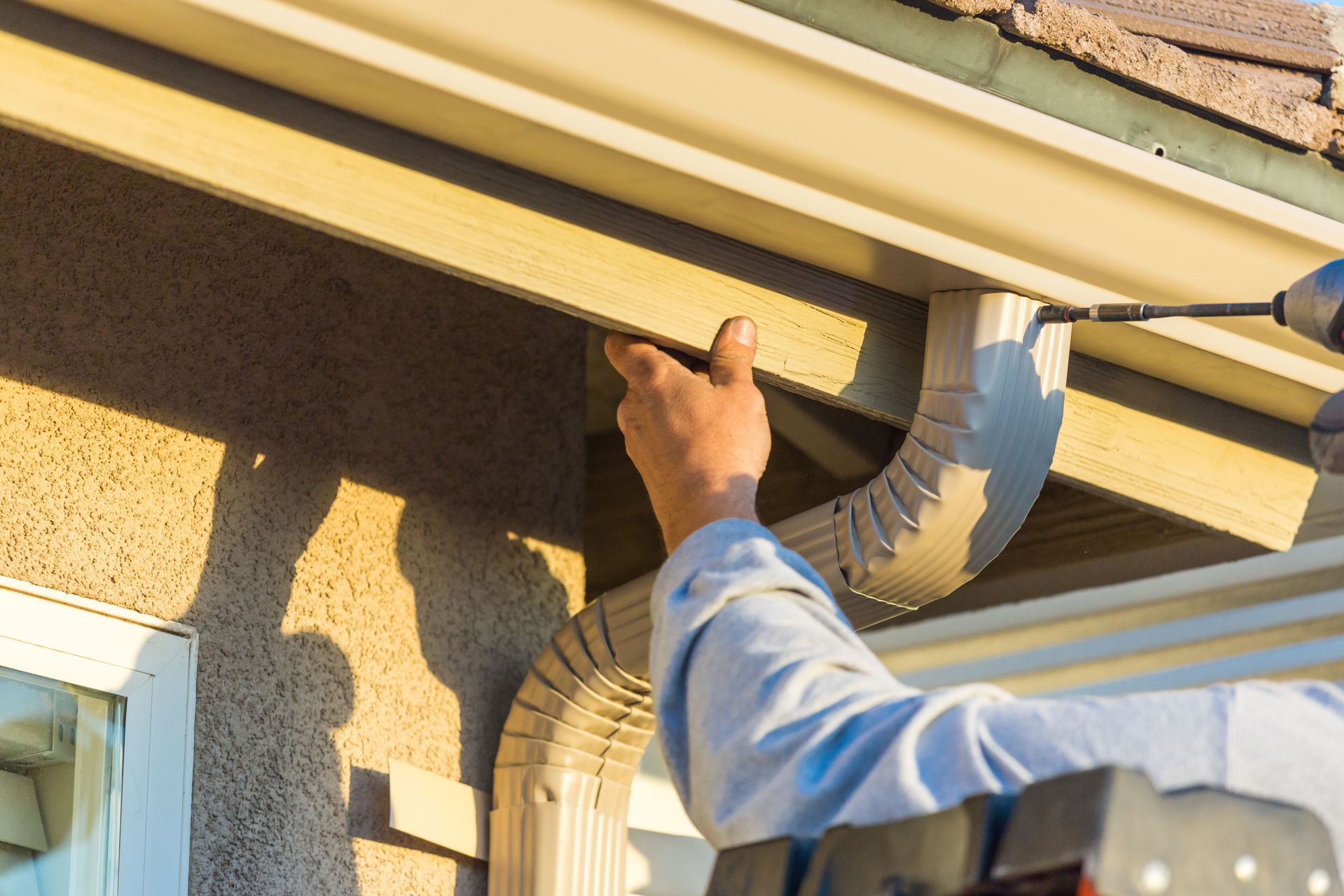
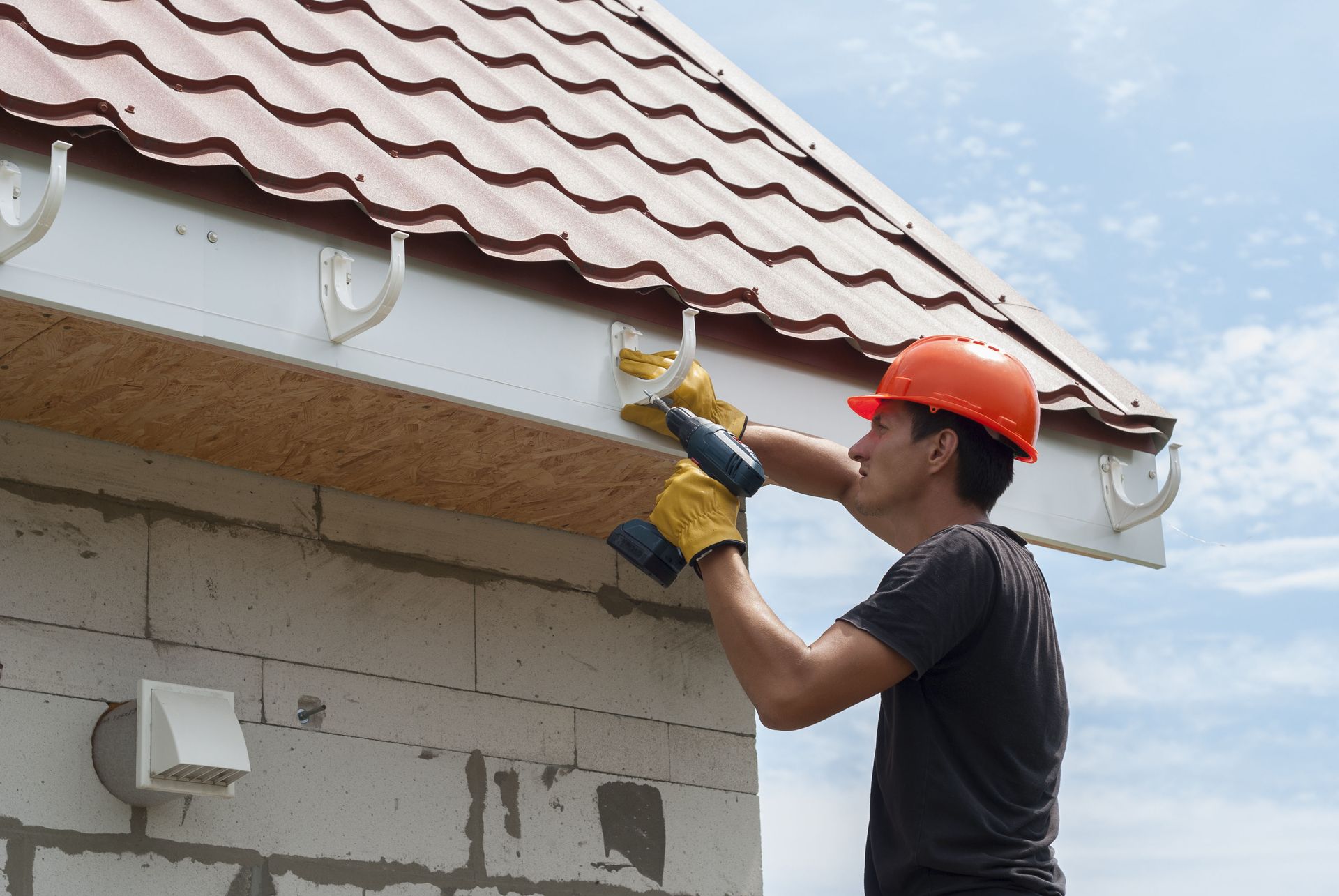
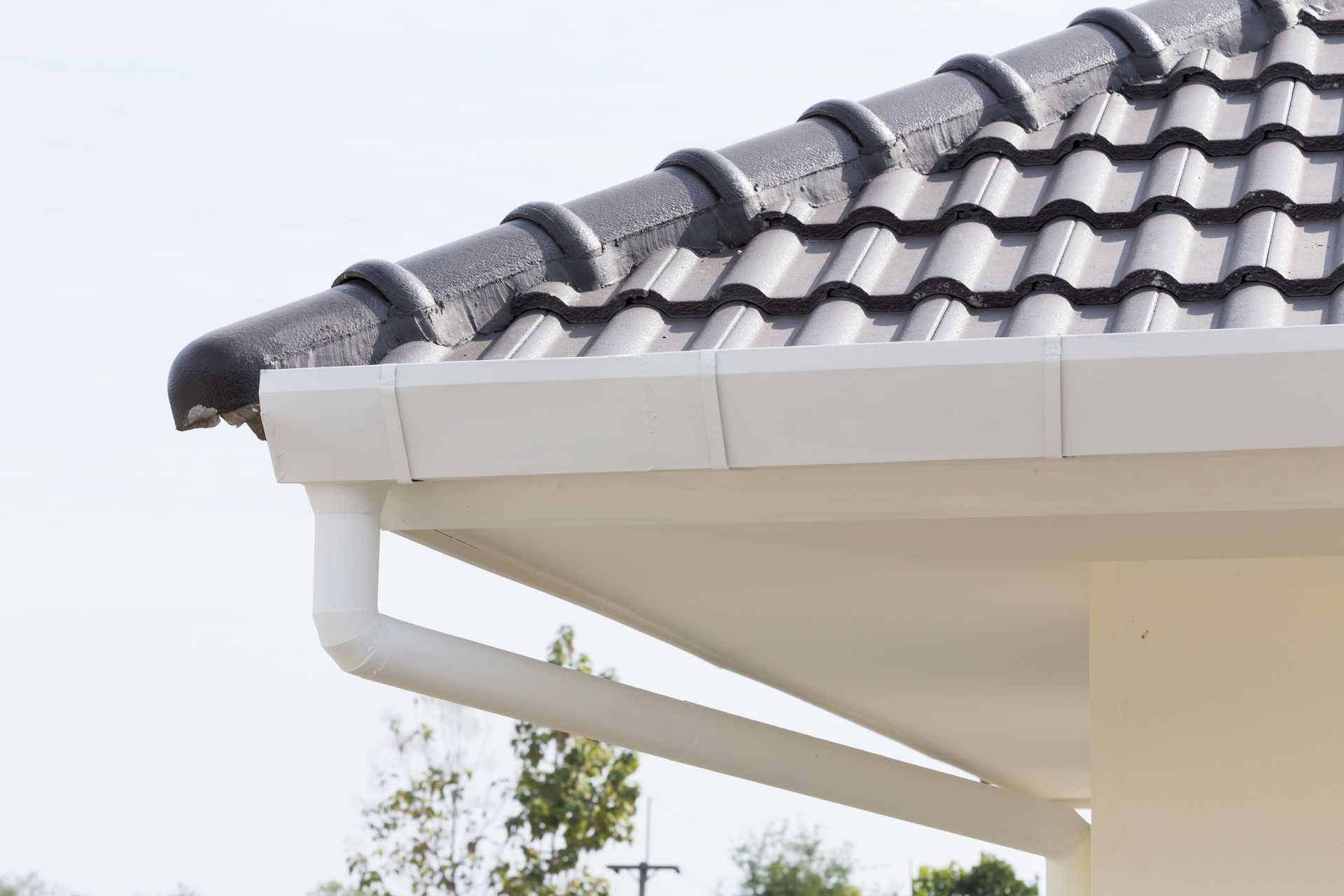
Proper gutter installation affects how well the system performs over time. A local gutter installer ensures gutters and downspouts are correctly sized and securely attached. Accurate placement supports effective water diversion away from the structure. This level of precision helps the system function as intended during a wide range of weather conditions.
Installation also plays a role in how evenly water is distributed during rainfall. Proper alignment helps reduce pooling and overflow. This contributes to more consistent performance across the system. When each component works together as planned, the gutter system can manage runoff more smoothly and reduce unnecessary strain on individual sections over time.
Guide Homeowners Through Gutter Selection
Every home has unique drainage needs that are influenced by roof design, surrounding trees, and local weather patterns. While material comparisons are useful, professional assessment plays a critical role in long-term performance. Working with a local gutter installer helps homeowners evaluate these variables accurately. This guidance can clarify how different design factors affect water flow and overall system efficiency.
Considering how gutters interact with the rest of the exterior system supports better outcomes. Thoughtful planning ensures the chosen solution fits the home's layout. This approach aligns drainage performance with maintenance expectations. Taking the time to review these elements together allows homeowners to move forward with greater confidence and a clearer understanding of how their gutter system supports the home over time.
A local gutter installer can help assess your home's drainage needs and explain how different gutter system options support effective water management. From installation to ongoing cleaning and repair, having a knowledgeable professional involved ensures our systems are properly sized and positioned for consistent performance. For homeowners interested in learning more, Kurgan's Gutters & Siding offers insight into available services and solutions designed to support exterior drainage needs.
Share On: